The $3.2 Billion Market We are Ignoring Because Our APIs Require 5G
We keep building neo-bank clones for Lagos tech bros while a massive, multi-billion dollar financial desert is left wide open. Here is how we build for it.
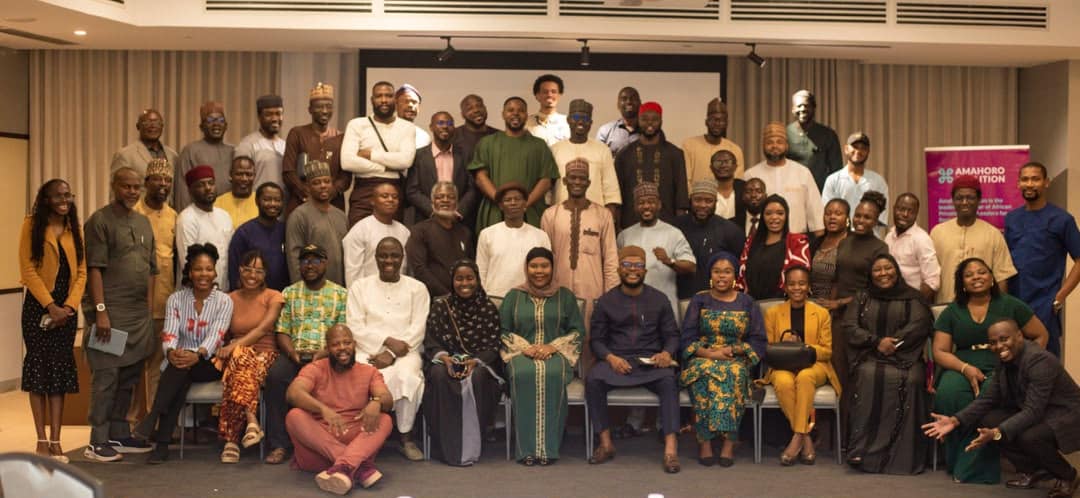
My laptop fan is currently screaming at me, and I’ve got three VS Code windows open trying to debug a webhook that keeps dropping because the backup generator here at my Gbagada workspace decided to take an unscheduled fifteen-minute break. In the middle of waiting for my local server to spin back up, I came across this brand press release from the Amahoro Coalition.
They dropped a report showing a $3.2 billion market opportunity sitting inside Africa’s displacement zones. 3.2 billion dollars. That is literally larger than the GDP of Zambia.
And where are we? Most of us are busy building the tenth iteration of a fintech app targeting the same 50,000 people who already have five different debit cards. It’s a classic builder trap. We write code for our friends, not the actual market.
The Reality of Sapa and Cracked Screens
People hear "displacement zones" or "refugees" and immediately jump to charity or aid-based thinking. But if you actually look at the hustle on the ground, whether it is a chaotic bus park in Owerri or an informal settlement, the economic energy is insane. The "No gree for anybody" mindset is the default state of survival. People want to trade, they want to save, and they want to send money without losing half of it to predatory middle-men.

The problem is our tech stack. We are building apps that require a 25MB download from the Play Store, a flawless 4G connection, and a face recognition KYC step just to sign up.
If your app needs a stable network to function, you’ve already locked out the person holding a cracked Android Go device with a spotty 2G connection in a remote camp. They are dealing with real Sapa, and your fancy React Native animations are just draining their battery.
How to Build Offline-First Fintech
If I were to sit down today and build a payment gateway for these displacement zones, I would throw out almost everything we consider "modern" web development.
First, we need to talk about offline-first architectures. You can't rely on live API calls. You need a local database like SQLite or Hive running on the device, queueing up transactions locally and signing them cryptographically. When the phone eventually gets a tiny, one-bar sniff of a network near a market town, it should push a highly compressed, serialized payload to the server.
Second, we have to look at USSD and SMS-based ledgers. It's not sexy. No one gets excited about writing USSD gateways on a Friday night, but that is where the transaction volume is.

Solving the Identity and Trust Problem
The biggest bottleneck is always KYC. How do you onboard someone who had to leave their physical documents behind? Our current reliance on central databases like NIN or BVN in Nigeria works fine when you have a cozy office in Akure, but it falls apart completely in displacement zones.
We need local agent-assisted networks. Instead of expecting an algorithm to verify a face, we should be building trust networks where local merchants act as human nodes. They verify the identity, they handle the cash-in and cash-out, and they use local offline ledger syncs to keep the system honest.
If we can stop chasing the hype of the next Silicon Valley clone and start writing rugged, lightweight code that actually solves these massive gaps, we wouldn't just be doing good. We would be tapping into one of the largest unserved markets on the continent.
My generator is back on. Time to go fix these broken webhooks. Let me know what you think about building for the offline market in the comments.
Related from Nigeria
Let's build your next big product.
Accepting project-based freelance, remote engineering roles, and hybrid positions.