Finally, Some Light? Qoray, EVs, and the Nigerian Power Grind
Waking up to another power cut can mess with your whole day. So, when I see a Nigerian company stepping up big on clean energy and EVs, it gets my developer brain buzzing. Can they really pull it off?
That feeling when you sit at your workstation in Gbagada, ready to smash out some code, only for NEPA to switch off right as your IDE loads. Classic. It's the daily reality that makes any talk of reliable power or sustainable energy feel like a dream sometimes.
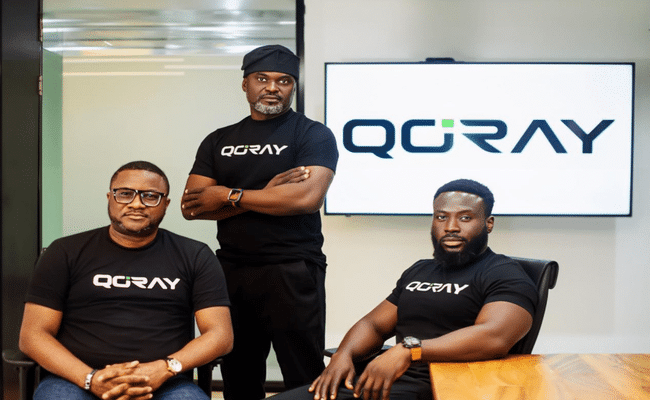
So, when Techpoint featured Qoray Mobility & Energies introducing their founding team and dropping numbers like "2,150+ electric vehicles" and "7MWh of decentralised solar systems," my ears perked up. My first thought wasn't "strategic innovation," but rather, "How many times did their teams have to shout 'Up NEPA!' to get that done?"
EVs on Nigerian Roads: The Hard Questions
Look, "2,150+ electric vehicles" sounds incredible. It really does. But then my mind immediately goes to the practicalities here in Nigeria. We all know our roads. The potholes in Enugu. The endless traffic in Lagos. The dust in Kano. EVs need charging infrastructure, reliable maintenance, and a grid that doesn't blink every other hour.
Are we talking about swappable batteries? Fast chargers strategically placed like ATMs? What kind of telemetry and diagnostics are they building into these vehicles to handle our environment? This isn't just about importing cars; it's about building an entire ecosystem around them. And trust me, that's a massive software and hardware engineering feat. Imagine the logistics of fleet management alone, trying to optimize routes and charging points when the power supply is… well, Nigerian.

The Tech Beneath the Solar Panels
The "7MWh of decentralised solar systems" is probably what excites me more as a builder. This is where the real impact for the average Nigerian and local businesses kicks in. Stable power means longer operating hours for small businesses in Onitsha, more consistent internet for remote workers in Akure, and less reliance on those noisy, fuel-guzzling generators. Sapa for generator fuel hits different.
But "decentralised" is key. It means they're likely managing microgrids, perhaps even peer-to-peer energy trading systems. This calls for some serious tech:
- IoT Sensors: For monitoring panel efficiency, battery health, and consumption patterns.
- Data Analytics: To predict demand, optimize energy distribution, and spot potential issues before they become full-blown outages.
- Billing & Payment Systems: Robust, secure, and user-friendly, because let's face it, nobody wants a complicated process after a long day of hustle.
- Remote Management Platforms: To control these distributed systems without having to send a technician out to every single site every time there's a glitch.
That's a whole suite of backend services, frontend applications, and embedded systems. This isn't just about putting panels on roofs; it's about intelligent energy management.
"Built for African Communities" – The Right Mindset
What really resonated with me was Olabanjo Alimi's quote: "Africa’s clean energy transition must be led by Africans, built for African communities, and scaled through homegrown enterprise." This isn't just a feel-good statement; it’s the truth of how anything truly sustainable will get done here.
We've seen too many solutions brought in that just don't fit the local context, the "No gree for anybody" mindset, or the unique challenges of our infrastructure. When people who understand the rhythm of an Owerri bus park or the cold mornings in Jos are building solutions, they're more likely to factor in the unpredictable. They know that sometimes, "plan A" just means "try again, but smarter."

These guys come from a financial sector background, which tells me they understand the capital-intensive nature of this work. But the success will hinge on their ability to marry that financial muscle with solid engineering and a deep understanding of local ground truths. Are they bringing in or cultivating the technical talent needed to build these sophisticated systems right here? That's the real test.
Qoray's ambition is massive, and if they can pull off even a significant portion of what they're aiming for, it’s a game-changer. It means more opportunities for local developers to build the software infrastructure, for hardware engineers to innovate, and for our communities to finally have the stable power that truly fuels progress. My dev spirit is watching, cautiously optimistic, and ready for whatever tech challenges this brings our way.

Related from Nigeria
Let's build your next big product.
Accepting project-based freelance, remote engineering roles, and hybrid positions.