We're Building Addictive Feeds, and My Sleep Schedule is Paying For It
I design apps for a living, but lately, my own phone is kicking my butt. Let's talk about the attention fragmentation we're shipping to users every single day.
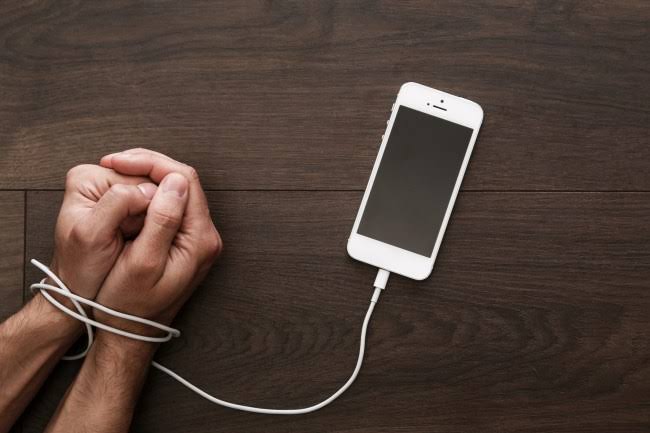
Last night, around 2:00 AM in my quiet Gbagada apartment, I caught myself doing something incredibly stupid.
I unlocked my phone, opened Twitter, closed it, opened WhatsApp, closed it, and then—without even thinking—unlocked my phone again to open Twitter. I didn’t even have a notification. My brain was just running on an automatic loop, searching for a quick hit of dopamine to ignore the fact that my latest software build was failing its deployment pipeline.
We talk a lot about "problematic smartphone use" as if it’s some mystery illness falling from the sky. But as a developer, I know the dirty truth: we built this monster.

The Ghost in the UX
The research Bukola Oyeyemi put out recently on smartphone habits hits incredibly close to home. The core of the issue isn't actually how many hours we spend on our screens. I can spend eight hours writing TypeScript, building React Native apps, or debugging APIs on my phone during a power outage, and that's just work.
The real danger is what researchers call attention fragmentation. It's that twitch.
You’re waiting for a bus in Akure, or standing in a long line at a bank in Onitsha, and instead of just breathing or letting your mind wander, your hand instinctively reaches for your pocket. Your brain has been conditioned to treat even three seconds of quiet as an error state that needs to be debugged with a quick scroll.
We’ve optimized our apps so well that we've turned our users—and ourselves—into Pavlovian dogs. The pull-to-refresh mechanic is literally a slot machine. The infinite scroll is designed to bypass the natural stop signals our brains rely on to transition to other tasks.
The Low Battery Panic is Real
One major sign the research points out is how we react when we're separated from our devices or when they start dying.
If you live in Nigeria, this gets compounded by the constant "Sapa" struggle and electricity issues. When the grid goes yellow and your phone battery hits 15%, it’s not just inconvenient. It feels like a genuine crisis. We’ve tied our banking, our side hustles, our navigation, and our entire social support system into these little slabs of glass.

I’ve seen guys at workstations look more stressed about a dead battery than their actual startup metrics. We’ve built a psychological dependence on staying connected, mostly because the offline alternative feels incredibly isolating.
Can We Code Our Way Out of This?
As product builders, we need to ask ourselves some hard questions. Are we building products that actually help people, or are we just trying to hijack their attention spans to show them more ads?
It is time to start designing for friction.
Instead of endless scrolling, what if we built natural pauses into our feeds? What if we made notifications less intrusive by default, grouping them into digests instead of buzzing people's pockets every time someone likes an old post?
I’m tired of waking up with dry eyes because the last thing I saw before sleeping was a bright screen. We need to "no gree for anybody"—including the addictive loops we design. It’s time to build tech that respects the human brain, not tech that exploits it.
I’m putting my phone in another room tonight before I go to sleep. Let's see if I actually survive until morning.
Related from Nigeria
Let's build your next big product.
Accepting project-based freelance, remote engineering roles, and hybrid positions.