Stop Chasing App Downloads: Why the 'Plumbing' is Where the Money Is
Ifelade Ayodele’s 1,000-day ride with Blaaiz is a wild reminder of why building for consumers in Nigeria will stress you out, and why infrastructure is the real holy grail.
Every single software developer I know in Nigeria has, at some point, believed they could solve our massive payment issues with a slick mobile app. We sit in our Gbagada workspaces, drinking instant coffee, arguing about React Native vs. Flutter, convinced that if we just build a beautiful UI, the users will magically flock in.
But Nigeria will humble you. Fast.
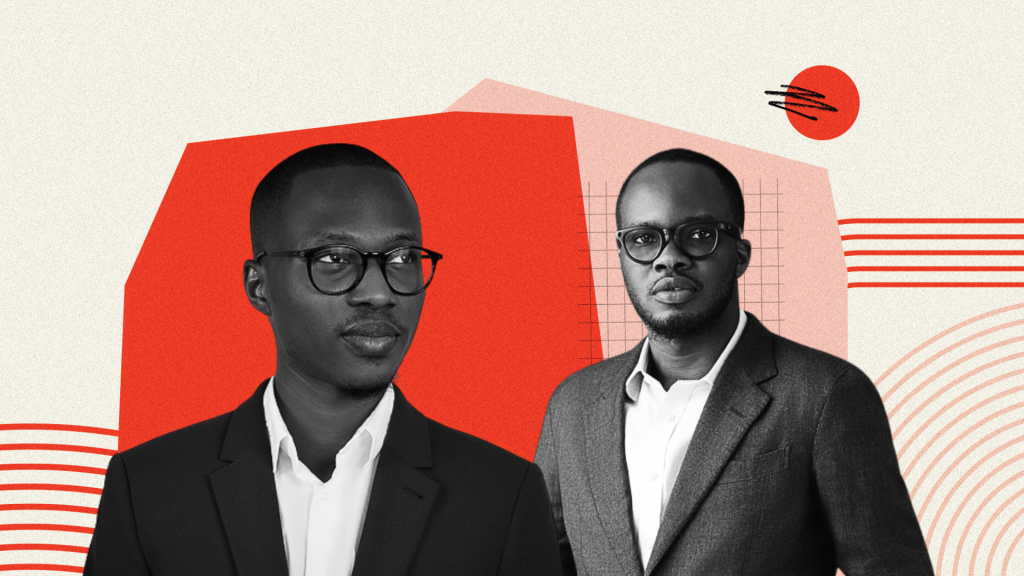
Reading about Ifelade Ayodele and Gbenga Oni's journey with Blaaiz over the last 1,000 days felt like reading a collective diary of the Nigerian tech ecosystem. They started out chasing consumer app downloads, and ended up doing what we all eventually have to do: building the invisible plumbing that actually keeps the lights on.
The Underrated Genius of the Telegram Bot
If you want to know if someone is a practical builder, look at how they launch. Blaaiz didn't start with some over-engineered, heavy mobile app that takes 50MB of precious data to download. They started with a Telegram chatbot.
Honestly, more of us need to do this.

When you are starting out, especially with the "Sapa" reality waiting just outside your door, you don’t have money to waste on AWS bills for a product nobody wants. A Telegram bot forces you to focus entirely on utility. Can money move from point A to point B? Yes or no? No fancy animations, no bloated libraries. Just clean, raw execution.
Ifelade was sharing the link on his WhatsApp status, asking friends what was broken. That is how real software gets built. It’s gritty, it’s unpolished, and it’s deeply personal.
The App Store is a Trap
By 2024, they launched their standalone mobile app. And that’s where the real pain of the Nigerian consumer market usually begins.
To get a regular Nigerian—whether they are trying to buy spare parts in Onitsha or running a small store in Akure—to download your new app, you have to fight tooth and nail. You are competing with their data budget, their phone storage, and their deep-seated distrust of any financial platform that isn't their traditional bank.
The customer acquisition cost (CAC) in the consumer fintech space here is brutal. You end up spending more money trying to convince people to trust you than you do on actually building the product.
And then there's the regulatory headache. One day you’re writing code, the next day you’re spending hours on the phone trying to figure out compliance and licensing. It’s exhausting.
Pivot to the Plumbing
I love that Ifelade stopped checking the App Store dashboard. He realized that instead of fighting to acquire 500,000 individual users, he could build the API infrastructure that other banks, fintechs, and payment companies use to serve those same users.

In Nigeria, we have over $20 billion flowing in as remittances. That’s a massive pipeline. But trying to be the front-facing app for all that money is a crowded, expensive war. Building the rails—the actual infrastructure that makes the transactions faster and cheaper for other businesses—is where the real, sustainable value is.
It’s less glamorous. You don’t get to brag to your non-tech friends about having "1 million downloads" on the Google Play Store. But your servers are busy, your APIs are stable, and you are actually solving the root cause of the problem instead of just painting over the symptoms with a pretty UI.
The 1,000-Day Reality Check
Building in this ecosystem is not for the faint-hearted. Gbenga Oni was playing CTO, product manager, and compliance lead all at once. That is the reality of the Nigerian hustle. You don't have the luxury of sitting in a silo writing clean code all day; sometimes you have to get on Zoom and defend your architecture to a room full of regulators who barely understand what an API is.
If you are currently building a consumer app and staring at a flatlined download chart, maybe it’s time to look under the hood. What part of your product is the "plumbing" that other businesses would pay to use?
Kill your darlings, open up your APIs, and build the invisible stuff that actually moves the country forward.
Related from Nigeria
Let's build your next big product.
Accepting project-based freelance, remote engineering roles, and hybrid positions.