Of Humanoid Robots, Telemedicine, and the Reality of Building for Nigeria
Everyone is buzzing about Omeife powering a telemedicine app, but as a dev, I have questions about how this actually works when the server drops.
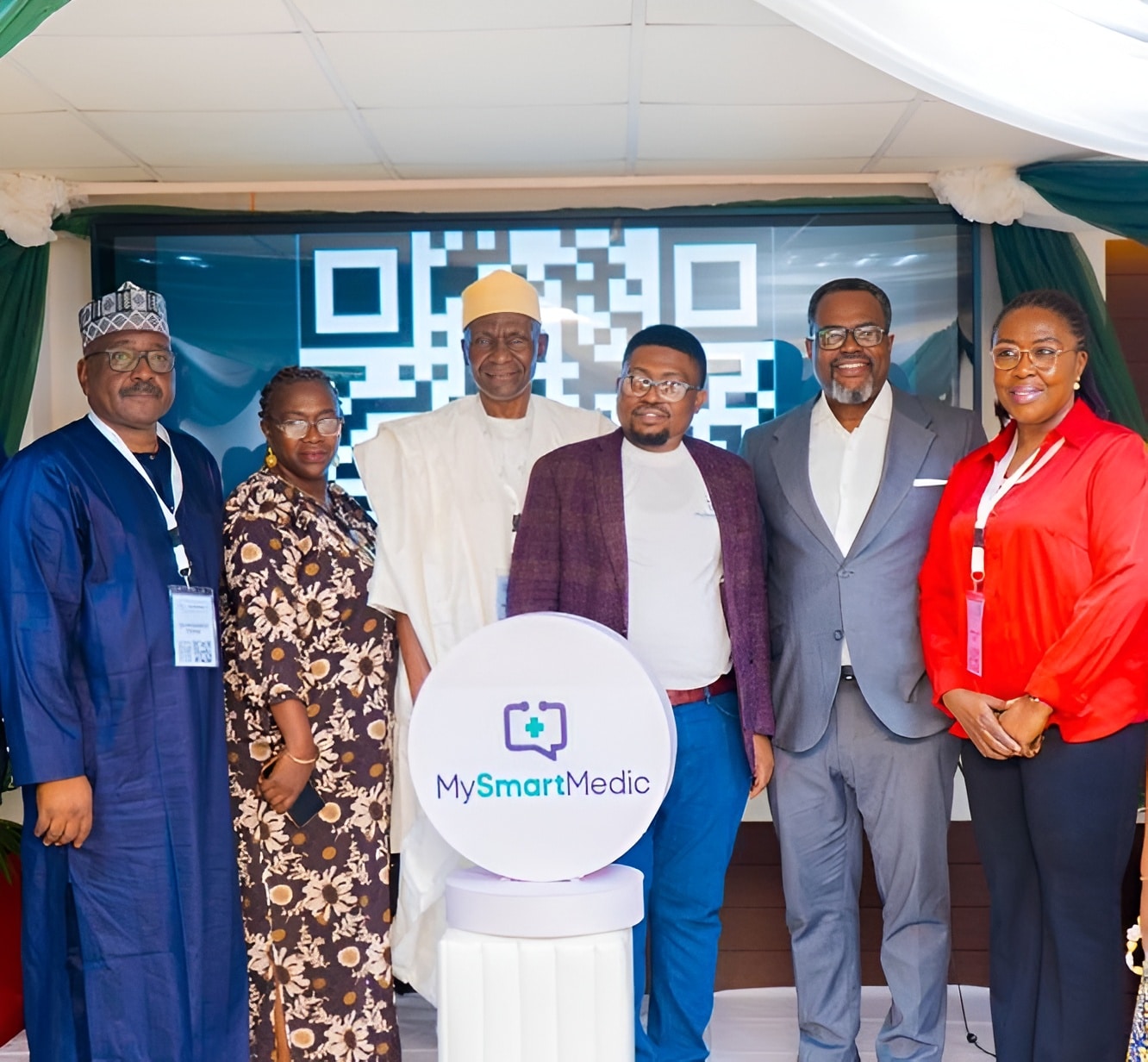
My generator just kicked off because of fuel, and while I was waiting for my guy to go buy another 10 liters, I saw this headline about Omeife—our famous local humanoid robot—now powering a telemedicine app called Mysmartmedic.
My immediate reaction? A mix of "this is wild" and "okay, wait, let’s look at the actual architecture here."
Let’s look past the flashy "humanoid robot" label. Nobody is shipping a physical metal robot to a village in Ondo or a cramped apartment in Gbagada. That’s just not happening. But the AI model behind it? That’s where things get interesting for those of us who actually write code.

The PR vs. The Code
As someone who spends nights debugging API integrations and dealing with patchy hosting, my first question is: how lightweight is this model?
If we are talking about voice-to-text in local pidgin or Yoruba, that is actually a massive deal. Have you ever tried getting GPT-4 to understand raw Nigerian pidgin spoken with a thick Akure or Owerri accent? It’s a mess. Standard models simply don't have the training data for our colloquialisms.
If Mysmartmedic is using Omeife's LLM to translate symptoms from local dialects into clinical terms, that solves a real-world bottleneck. Imagine an elderly patient explaining her symptoms in Igbo. If the AI can parse her voice, extract the core symptoms, and present them cleanly to a doctor on the other end, we have something genuinely useful.
But how does it handle the latency?
The "Sapa" Factor and Data Costs
Let’s talk about the user experience. Out here, data is expensive, and the "Sapa" struggle is a daily reality.
If an app requires a constant, high-bandwidth connection to stream heavy LLM queries or video sessions, people will simply uninstall it. They’ll go back to buying self-prescribed meds at the local chemist near the chaotic bus parks.

If you're building for the Nigerian market, your app has to fail gracefully.
I want to know how they are handling offline states. If the network drops mid-diagnosis—which happens every ten minutes depending on your telco—does the state save locally in SQLite? Or does the user lose everything and start cursing the developers?
Our people have a "No gree for anybody" mindset. They will not tolerate buggy software that eats their airtime for nothing.
Show Me the API, Not the Metal
I’m rooting for this project, I really am. We need local models built by people who understand why "my body is doing me somehow" is a valid medical description that needs translating.
But as devs, we need to push past the hype of "humanoid robots" in press releases. What matters is the API response time, the token cost, the language translation accuracy, and how it performs on a cheap Android phone running on a sketchy 3G network in Akure.
Let's build things that work in the real Nigeria, not just in fancy slide decks.
Related from Nigeria
Let's build your next big product.
Accepting project-based freelance, remote engineering roles, and hybrid positions.