AI & The 'Culture Algorithm': Talk is Good, But Who's Building It?
Another MarkHack done, another stack of big ideas about AI and our unique Nigerian context. My developer brain always asks: 'Okay, fine talk, but what's the actual implementation plan?'
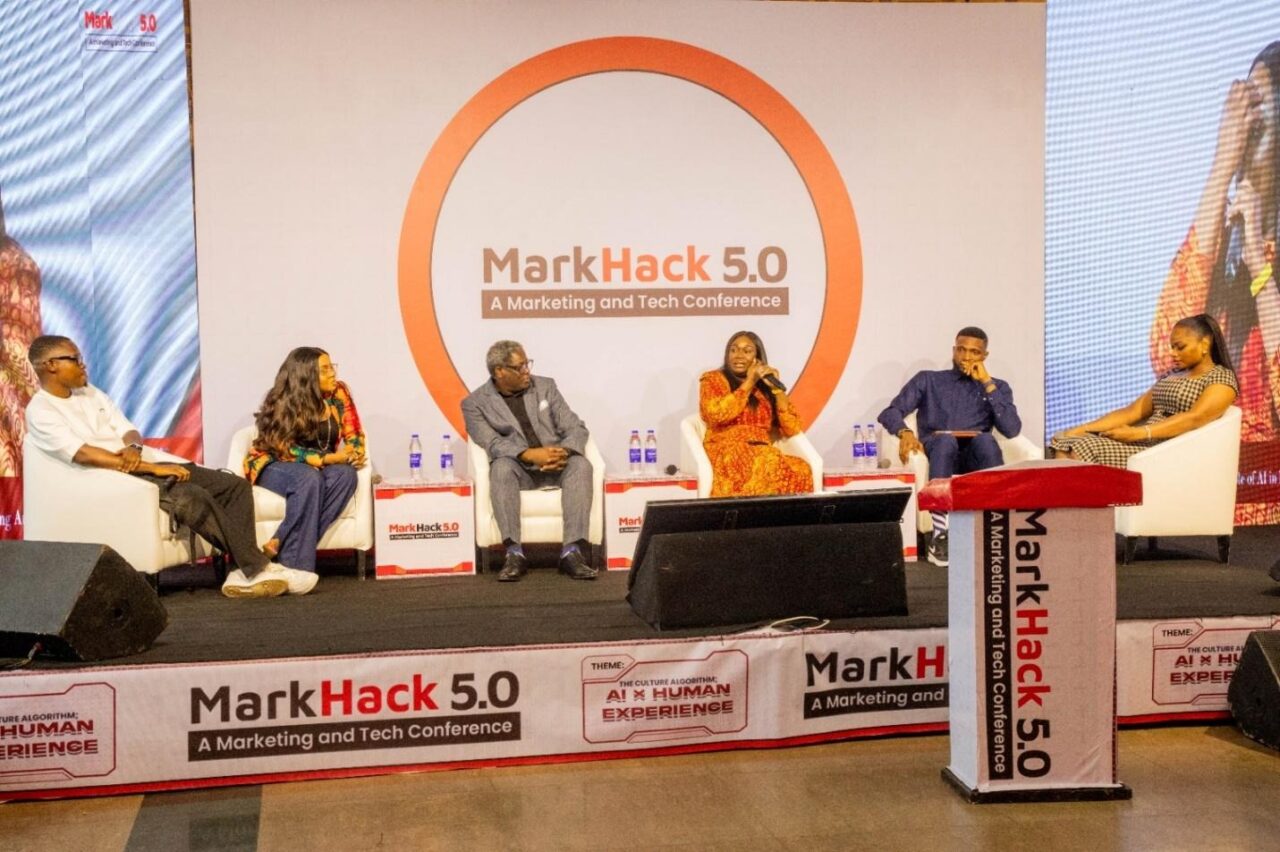
"The Culture Algorithm: AI × Human Experience." That was the big theme at MarkHack 5.0, and honestly, the phrase alone made my backend brain buzz. See, when I hear "algorithm" and "culture" in the same sentence, I don't immediately think about marketing slides. I think about data schemas, model training, bias detection, and deployment pipelines.
It's good that industry leaders are talking about AI's impact on marketing here in Nigeria. We need those conversations. But sitting in my Gbagada workstation, sometimes after a long day of chasing down a stubborn bug, I just wonder: how much of this high-level talk translates into actual, buildable solutions for the everyday Nigerian developer or founder?
The Gaps Between Talk and Tech
The write-up on MarkHack mentioned a lot about AI changing consumer trust and decision-making, and how important human judgment is. Absolutely. Victoria Ajayi from TVC hitting on the "trust deficit" in the age of AI? Spot on.
But from a dev perspective, that trust deficit isn't just about slick marketing. It's about how we build these systems. It's about data integrity. It’s about making sure our models aren't perpetuating biases that already exist in our society. Imagine trying to build a truly unbiased recommendation engine with the kind of patchy, often messy data we have access to locally. It’s a whole different ballgame.
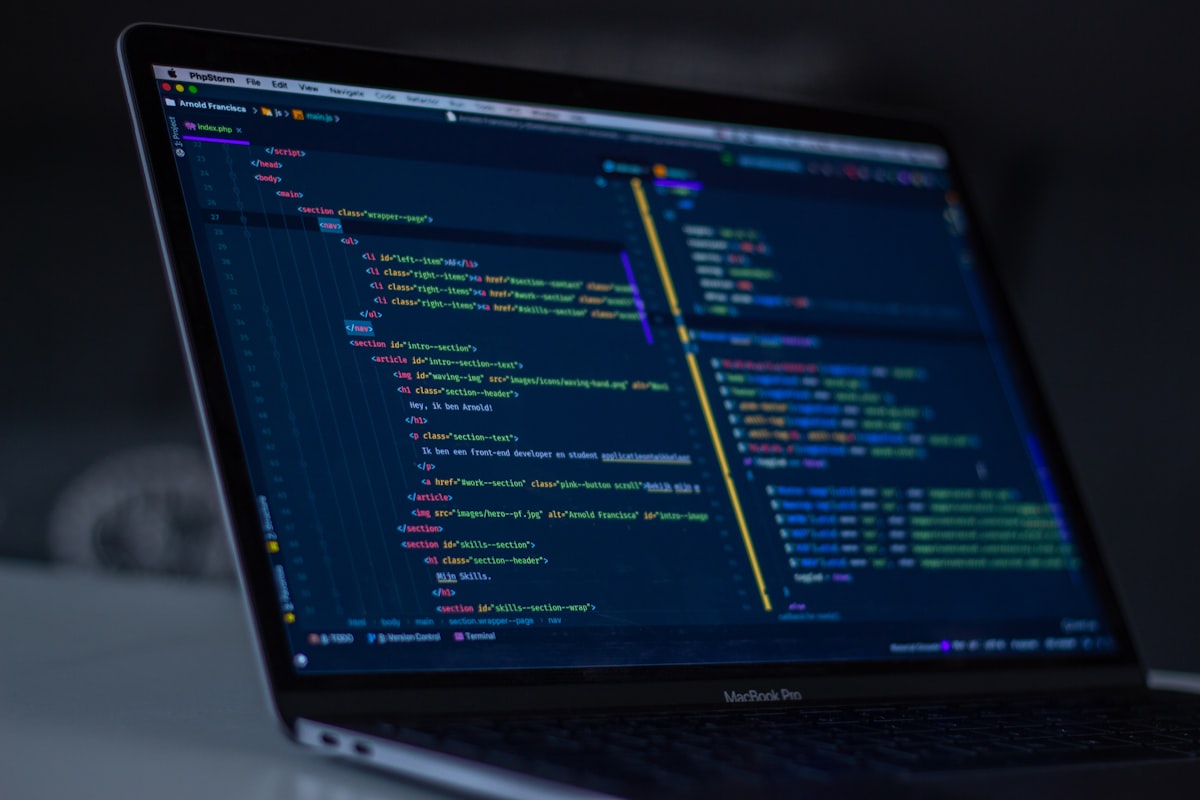
How do you even define 'authentic' or 'culturally relevant' in a codebase? That's the real challenge. It requires deep collaboration between cultural experts, linguists, and us, the builders. It’s not just a marketing problem; it’s an engineering and product problem from the ground up.
"Real African Markets" - The Actual Code Challenge
They talked about making AI work in "real African markets" and "rethinking African consumer insight for modern brands." This part really got me. Because this isn’t about running a global AI model off-the-shelf. This is about building something that understands the nuances of a busy market in Onitsha, or the slang used in a university campus in Akure.
How do you train an NLP model to understand when someone says "e choke" versus "na wa"? Or parse the specific, often informal, language used in WhatsApp groups across different regions? That's not just "localizing" an existing model; that's often building something unique, something that requires a deep understanding of our diverse cultures.

The discussions at MarkHack probably highlighted these needs. But the next step, for us, is translating those needs into technical requirements. What data pipelines do we need? What compute resources? How do we even collect that data ethically and efficiently across a country as diverse as Nigeria? It's easy to say "leverage AI for authentic narratives." It's another thing to design and implement the algorithms that can actually do that.
The Hustle Continues
Events like MarkHack are important. They get the conversations started, they highlight the opportunities. But for people like me, the real work begins when the conference lights dim. It's in the quiet hours, debugging an AI model, trying to figure out why it's misinterpreting a Yoruba phrase, or optimising an API call so it can handle the sometimes-unpredictable internet speeds in a place like Jos or Owerri.

We're not just consumers of AI trends; we have to be the architects and engineers of our own "Culture Algorithms." That means we need more than just strategic lenses; we need practical tools, accessible training, and a focus on building actual, scalable products that address our unique challenges.
So, yeah, I'm optimistic about AI in Nigeria. But I'm also ready to get my hands dirty, because that's where the real innovation happens – not just in the talks, but in the code.
Related from Nigeria
Let's build your next big product.
Accepting project-based freelance, remote engineering roles, and hybrid positions.