Why Your Shiny AI Marketing Model Will Crash and Burn in an Owerri Bus Park
MarkHack 5.0 just wrapped up at the Oriental Hotel, talking up AI and culture. But as a developer, I am looking at the actual code and context needed to make these models survive the real Nigerian market.
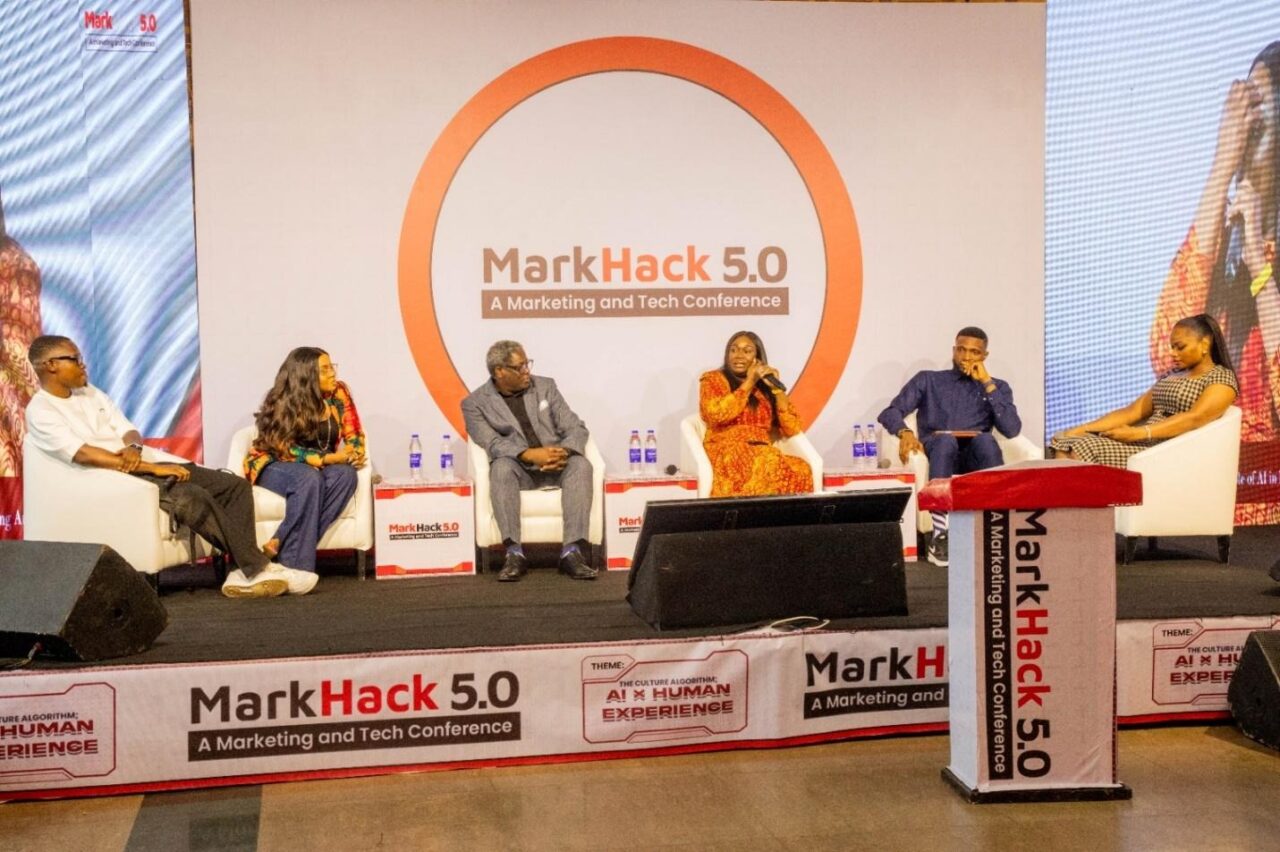
I spent the better part of yesterday morning battling a stubborn memory leak in a Node.js worker thread at my Gbagada workstation. My coffee was cold, my eyes were heavy, and my phone kept buzzing with updates from MarkHack 5.0, which just wrapped up at the Oriental Hotel in Victoria Island.
Everyone is talking about "The Culture Algorithm: AI × Human Experience." Don't get me wrong, the lineup was solid—heavy hitters from TVC, Wema Bank, and Diageo talking about how AI is rewriting consumer trust and storytelling.
But as someone who actually writes the code, I couldn't help but shake my head. It’s easy to talk about AI-driven strategies while sitting in an air-conditioned hall in VI. It’s another thing entirely to build something that doesn't break when a user in Akure tries to load it on a patchy 3G connection with 50 megabytes left on their data plan.

The Gap Between VI and the Real Streets
At the event, Victoria Ajayi from TVC spoke about a growing "trust deficit" in the age of AI. She is spot on, but from my keyboard, trust isn't just an ethical concept—it is a system architecture problem.
When we build apps for the local market, trust is built when the system actually works during a high-stress moment. If an AI-powered chatbot fails to understand a user trying to resolve a failed transaction because they typed in Pidgin, that is a trust deficit. If a recommendation engine suggests premium luxury goods to someone battling the current wave of "Sapa," that’s a failure of context.
We cannot just plug in standard OpenAI APIs, wrap a sleek UI around them, and call it an African solution.
The panel with David Mogaji from Candleweb AI and Fiyin Toyo from Beiersdorf touched on rethinking consumer insights. To make that work in the real world, we need to talk about data localized for our unique context.
An LLM trained on Western data has no idea what "No gree for anybody" means. It doesn't understand the chaotic, fast-paced negotiation style of an Igbo trader in Onitsha. If your marketing AI cannot parse these linguistic and cultural variations, your expensive campaign is going to read like a textbook written by someone who has never stepped foot in Nigeria.

Stop Prompt Engineering, Start Fine-Tuning
During the second plenary, Mabel Adeteye from Wema Bank led a discussion on using AI to build authentic consumer narratives.
Here is my hot take: you cannot get authentic storytelling by just writing better prompts on ChatGPT. That is lazy engineering.
If we want AI that actually resonates, we need to be building custom retrieval-augmented generation (RAG) pipelines. We need to feed our vector databases with actual local street slang, localized pricing pain points, and real-time cultural trends.
Imagine an API that dynamically adjusts a brand’s copy based on the weather in Jos versus the heat in Lagos, using localized metaphors that actually make sense to the guy buying a cold drink at a bus park in Owerri. That is where the magic happens.
We also have to build with extreme efficiency in mind. Let’s stop building bloated web apps. A real African market demands lightweight, offline-first capabilities. If your AI-driven marketing campaign requires a 5MB Javascript bundle to load a fancy interactive experience, you’ve already lost half your audience before the first paint event triggers.
Let’s Build for the Ground Up
I am glad MarkHack is bringing these conversations to the forefront. It shows we are graduating from just consuming technology to trying to master it.
But my challenge to my fellow developers and tech founders is simple: let's take the insights from these high-profile panels and translate them into robust, low-latency code.
Let's build databases that capture our languages. Let's optimize our models so they run efficiently on cheap Android devices. Let's make sure our tech stack is as resilient and adaptable as the average Nigerian hustler.
Now, if you'll excuse me, that memory leak isn't going to fix itself, and my Gbagada workstation is calling. Let's keep building.
Related from Nigeria
Let's build your next big product.
Accepting project-based freelance, remote engineering roles, and hybrid positions.