Can $7.3 Million Buy Trust When My Stomach Is Growling?
Swoop just dropped $7.3M to fix Nigeria's broken food delivery trust. As a developer, I know that API integrations are easy—but fixing the 'where is my food' problem is a different beast.
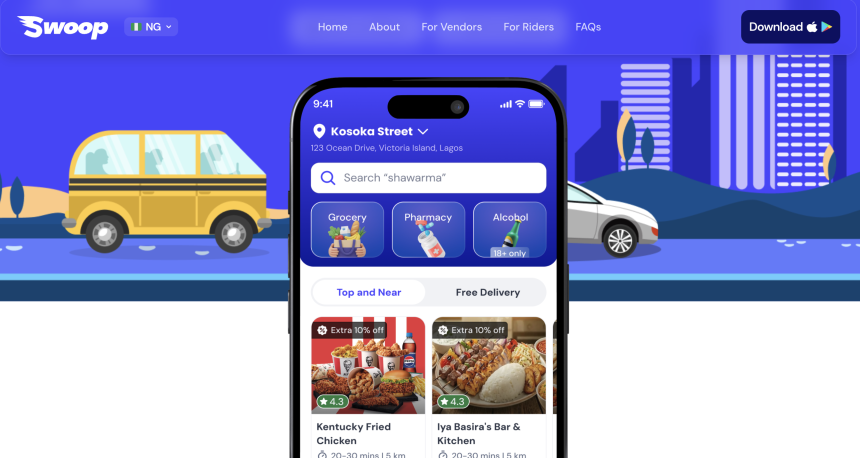
My eyes were bloodshot from debugging a stubborn CORS error at my Gbagada workspace yesterday when my stomach finally protested. I had missed the lunch window entirely. It’s that classic developer trap: you promise yourself "just ten more minutes" to fix a bug, and suddenly it’s 2:30 PM, your head is pounding, and Sapa is looking at you from the corner of the room.
So when I saw the news that Swoop, a new foreign player, has raised $7.3 million in seed funding to tackle the food delivery space in Lagos, I didn't cheer. I sighed. Their country manager, Demola Adesina, says their main goal is to "earn Nigerians’ trust."
Trust is an incredibly expensive API to build in this country. Over 20,000 users in six weeks is impressive traction, sure, but we’ve seen this movie before.

Why is trust so hard? As a developer, I look at the architecture of these things. You aren't just building a pretty React Native app with a clean UI. You are orchestrating a complex, real-time distributed system in an environment that actively resists order.
You have three fragile nodes in this database:
- The hungry customer who wants their Jollof now before their ulcer kicks in.
- The kitchen staff who might be dealing with a sudden grid failure (aka "NEPA has taken light") or running out of gas.
- The rider navigating chaotic streets where the GPS says "turn left" but there's a literal sandcrete block wall built there last week.
Swoop is leaning into a 100% rider model to control this chain. On paper, having your own dedicated fleet solves the "the rider took another order on a competing app" headache. But the unit economics of maintaining bikes in Lagos? Fuel prices, local government levies, and mechanical breakdowns will eat into that $7.3 million faster than a Lagos local eats a hot plate of Amala.
I remember building a small logistics tracker for a client in Onitsha. We spent weeks optimizing the database queries only to realize the real bottleneck was the local network coverage. When a rider descends into an area with poor signal, your shiny WebSocket connection drops, the UI freezes on the customer's end, and they start panicking. They think the rider has run off with their food.

You don't win trust with a slick marketing campaign. You win it by making sure that when a user clicks "Order," the state machine on your backend actually transitions smoothly from "Pending" to "Delivered" in under 30 minutes. If the app says the rider is 5 minutes away, he better not be stuck under a bridge in another local government area entirely.
If Swoop can keep their microservices talking to each other, keep their riders motivated, and keep their prices reasonable without burning through all their cash, they might have a shot. But if they think money alone is enough to solve the physical realities of Lagos logistics, they are in for a very buggy ride.
"No gree for anybody" applies to tech founders too. Let's see if their code can handle the heat. I’m going to go find some actual food down the street before my own system crashes.
Related from Nigeria
Let's build your next big product.
Accepting project-based freelance, remote engineering roles, and hybrid positions.