Another Big Tech Meeting? My Brain is Tired, But My Spirit Isn't.
Read that piece about Kenya's President Ruto meeting Sam Altman of OpenAI. My first thought? 'Here we go again.' We need to talk about what *actually* matters for African tech, beyond the photo ops.
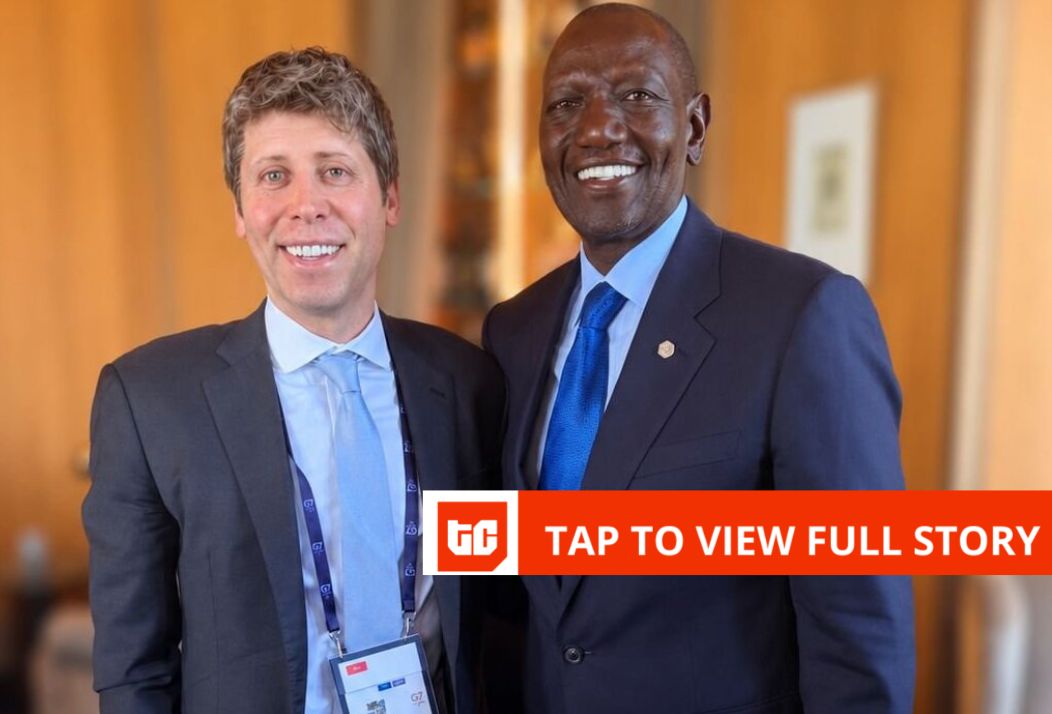
My phone buzzed this morning with that TechCabal piece about President Ruto and Sam Altman. Another high-profile meeting, another "potential collaboration," another headline promising to make an African country the "AI capital." You know, after a long night of debugging a payments integration that decided to act up, my brain just wanted to groan. It's not that I'm cynical, it's just... we've heard this song before, haven't we?
The Grand Announcement Juju
The article hit the nail on the head: "It celebrates conversations as though they were investments." This resonates hard here in Nigeria. How many times have we seen a minister or president pose with a Big Tech exec, announce a "game-changing partnership," and then the details are fuzzier than my internet connection during a rainstorm? No timelines, no actual kudi committed, just "discussions around potential collaboration."
Look, I'm a builder. I deal with sprints, roadmaps, actual lines of code that need to compile. "Potential collaboration" doesn't help me ship my next feature or secure pre-seed funding. It's like a stakeholder telling you they've "potentially discussed" the product spec but can't give you anything in writing. You just nod, smile, and prepare for a very long bug-fixing session.

Education is Good, But What's the End Goal?
The idea of an OpenAI Academy in Eastern Africa is, on the surface, a good thing. More skills, more exposure to cutting-edge tech. We absolutely need that. I've seen the hunger for learning in the eyes of young developers in places like Akure and Onitsha – guys who are pulling all-nighters, teaching themselves Python with just a phone and a prayer for cheap data.
The article points out that these training programs are cheaper, create goodwill, and generate headlines. True. OpenAI benefits too, by training future users and strengthening their ecosystem. But my question, always, is: who ultimately benefits the most?
We have incredible talent here. Nigerians are building payment systems that run across the continent, logistics platforms solving real problems, and contributing to global open-source projects. I know a guy in Gbagada who built an entire inventory management system for local vendors on a shoestring budget, solving a problem no fancy Silicon Valley app ever bothered with.
So, we train more people on OpenAI's models. Great. Are they then building the next big Nigerian AI startup, owned and operated here? Or are they becoming highly skilled remote workers for companies overseas, with the value created flowing out? The article touches on this — "where the value created by that talent ultimately ends up." That's the real talk. We can't just be a farm team for global tech giants. We need to be the main league.
The Real AI Infrastructure We Need
Forget "AI capital" for a minute. Before we talk about advanced AI academies, let's talk about the actual foundational infrastructure needed for any serious tech development.
- Stable Power: My generator budget is higher than my AWS bill sometimes. How do you run compute-intensive AI models without reliable electricity? It's not just about data centers; it's about every developer's workstation.
- Affordable, High-Speed Internet: The hustle is real, but so is the cost of data. Imagine trying to download large AI datasets or participate in global dev communities with unreliable, expensive internet.
- Access to Capital: Real capital. Not just for training, but for building, scaling, and taking risks on truly local innovations. Sapa is not a tech stack.
What happens in a place like Jos, where the weather is cool but the access to consistent power or fiber internet can be a whole different challenge? How do we empower those developers to be at the forefront of AI innovation? It's not just about a meeting in Évian-les-Bains. It's about the daily grind, the practical realities on the ground.

We don't need symbolism; we need substance. We need the tools, the power, the capital, and the environment that allows us to build and own our AI future, not just participate in someone else's. "No gree for anybody" is a Nigerian mantra for a reason. Let's apply it to our tech ambition. Let's build our way, for our problems, and keep the value here.
Related from Nigeria
Let's build your next big product.
Accepting project-based freelance, remote engineering roles, and hybrid positions.