SpaceX is Valued at $2.8 Trillion, and All I Can Think About is My Starlink Ping
SpaceX just blew past Amazon after its post-IPO rally. But beneath the Wall Street hype, the real story for us developers is how they are quietly buying up our dev tools.
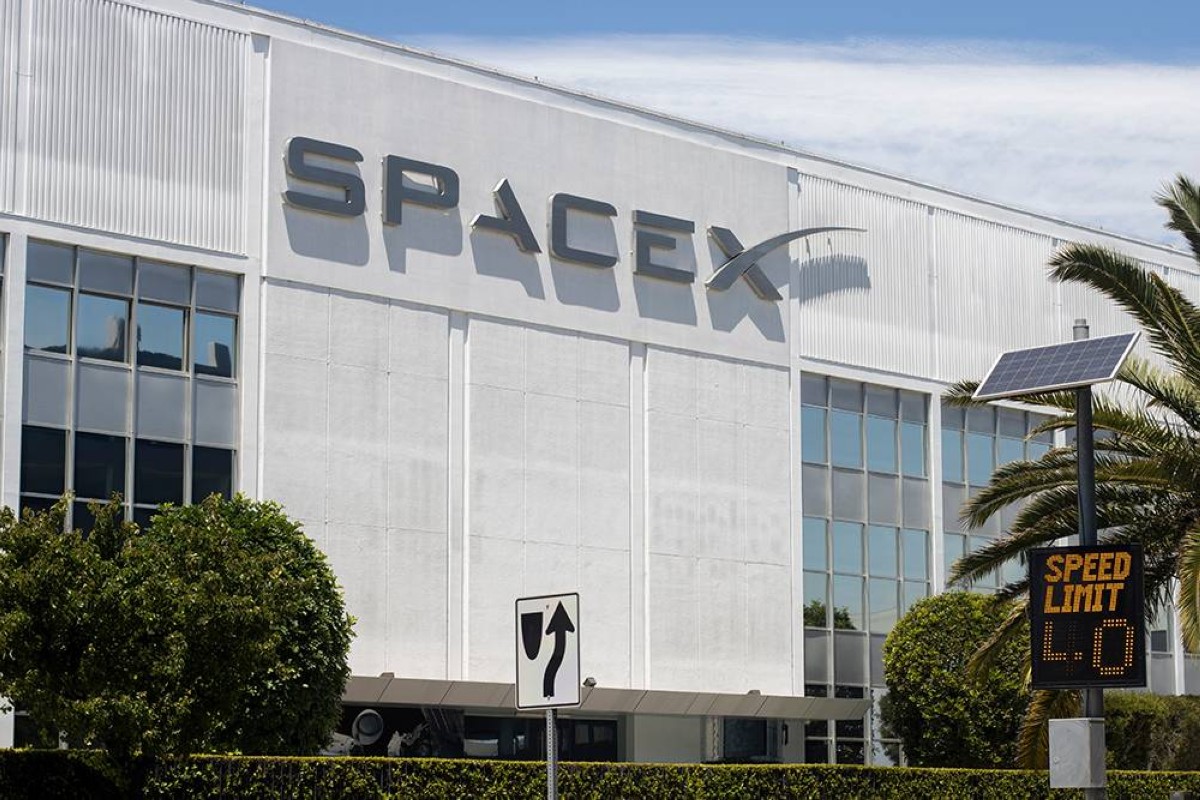
My generator was humming in the background this morning while I was trying to debug a stubborn WebSocket timeout. I took a quick break, opened my feed, and saw the numbers: SpaceX just went public, and its market cap skyrocketed past $2.7 trillion, briefly touching $2.8 trillion.
They’ve leapfrogged Amazon. Over $1.1 billion worth of shares changed hands in a single morning.
While Wall Street brokers are probably high-fiving each other and dealing with extreme FOMO, my mind immediately drifted to what this actually means for those of us building products on the ground.

The $60 Billion Code Editor in the Room
If you look closely at the news surrounding this rally, there’s a wild detail: SpaceX recently acquired Anysphere, the makers of the Cursor code editor, for $60 billion.
Let that sink in. The company building reusable rockets to Mars just bought the AI-powered IDE that half of my developer friends in Lagos and Akure are using to write their daily boilerplate.
This isn't just about putting satellites into orbit anymore. They are moving vertically down the stack, right into the hands of the people writing the software. It makes me wonder about the future of our dev tools. If the physical infrastructure (Starlink) and the software creation tool (Cursor) are owned by the same giant, the developer ecosystem is going to look very different in a few years.
Surviving on the Edge of the Network
For those of us working outside the major global tech hubs—whether you are pushing commits from a cold morning setup in Jos or running a small agency in Owerri—infrastructure is everything.
When the undersea fiber optic cables went down a while ago, the local tech scene almost ground to a halt. The devs who survived that period without missing client deadlines were the ones who had a Starlink dish mounted on their roofs.
We talk a lot about the "no gree for anybody" spirit in Nigeria, but the truth is, your hustle only goes as far as your ping allows.

SpaceX’s massive valuation isn't just built on hopes of landing on Mars; it's fueled by the very real cash flow from people paying for Starlink subscriptions in places where traditional ISPs have failed them. It’s about the raw utility of having a reliable pipeline to the global economy.
Looking Beyond the Hype
It is easy to get lost in the sheer scale of a $2.8 trillion valuation. But as a builder, I try to look at the execution.
Elon Musk’s playbook has always been about aggressive vertical integration. Build the rockets, launch the satellites, provide the internet, and now, own the software tools that developers use to write the next wave of applications.

For me, the takeaway isn't about whether to buy the stock. It’s a reminder of what happens when you build things that solve fundamental, physical problems.
While we are busy building wrapper APIs and thin software layers, the real power still belongs to the companies that own the rails—both the hardware in the sky and the editor on our screens. Now, back to my debugging session. Hopefully, my connection stays solid.
Related from Business
Let's build your next big product.
Accepting project-based freelance, remote engineering roles, and hybrid positions.