Digital IDs, EVs, and the Unseen Bugs in the System
Just when you think innovation is straightforward, the universe throws a curveball. From digital IDs simplifying lives to electric vehicles causing financial headaches, the tech landscape is never boring.
Sometimes, I sit at my workstation in Akure, staring at lines of code, and just marvel at how interconnected everything is. You build one piece of the puzzle, and it changes the entire board in ways you never saw coming. This TechCabal Daily hit me with two perfect examples this morning – one I'm excited about, and one that just screams "unforeseen consequence."
The DRC's Digital ID Dream (and Our NIN Reality Check)
First, the Democratic Republic of Congo rolling out RDC-PASS, their national digital ID system. "One digital identity for authentication, e-government services and financial verification." My guy, that sounds like a developer's dream. Imagine building a fintech product, a marketplace, anything that needs user verification, and you have a single, reliable API that just works for KYC. No more chasing down utility bills, fighting with mismatched names, or dealing with fragmented data across multiple agencies. That’s reducing friction, increasing trust, and making it easier for people to access services – exactly what we preach when we're building.

They're promising biometric SIM card verification (hello, fraud reduction!), a single identifier for government platforms, and powering e-KYC. It's the kind of infrastructure that can truly unlock digital economies.
But then, my Nigerian brain kicks in. We have NIN, right? Over 126 million registered. And yet, the actual experience of leveraging NIN for seamless authentication across all services is… still a work in progress, to put it politely. The initial rollout was chaotic, the verification APIs for businesses have their moments, and integration can be a headache. The DRC's big test, like TechCabal said, will be adoption. Not just people getting the ID, but banks, telcos, government agencies actually using it consistently and reliably. Because if the backend systems aren't ready, or if the process is cumbersome for users, it's just another piece of tech that struggles to find its footing. I hope they nail the execution, because a truly functional digital ID system could be a game-changer for the entire region.
The EV Funding Conundrum: A Systems Design Gotcha
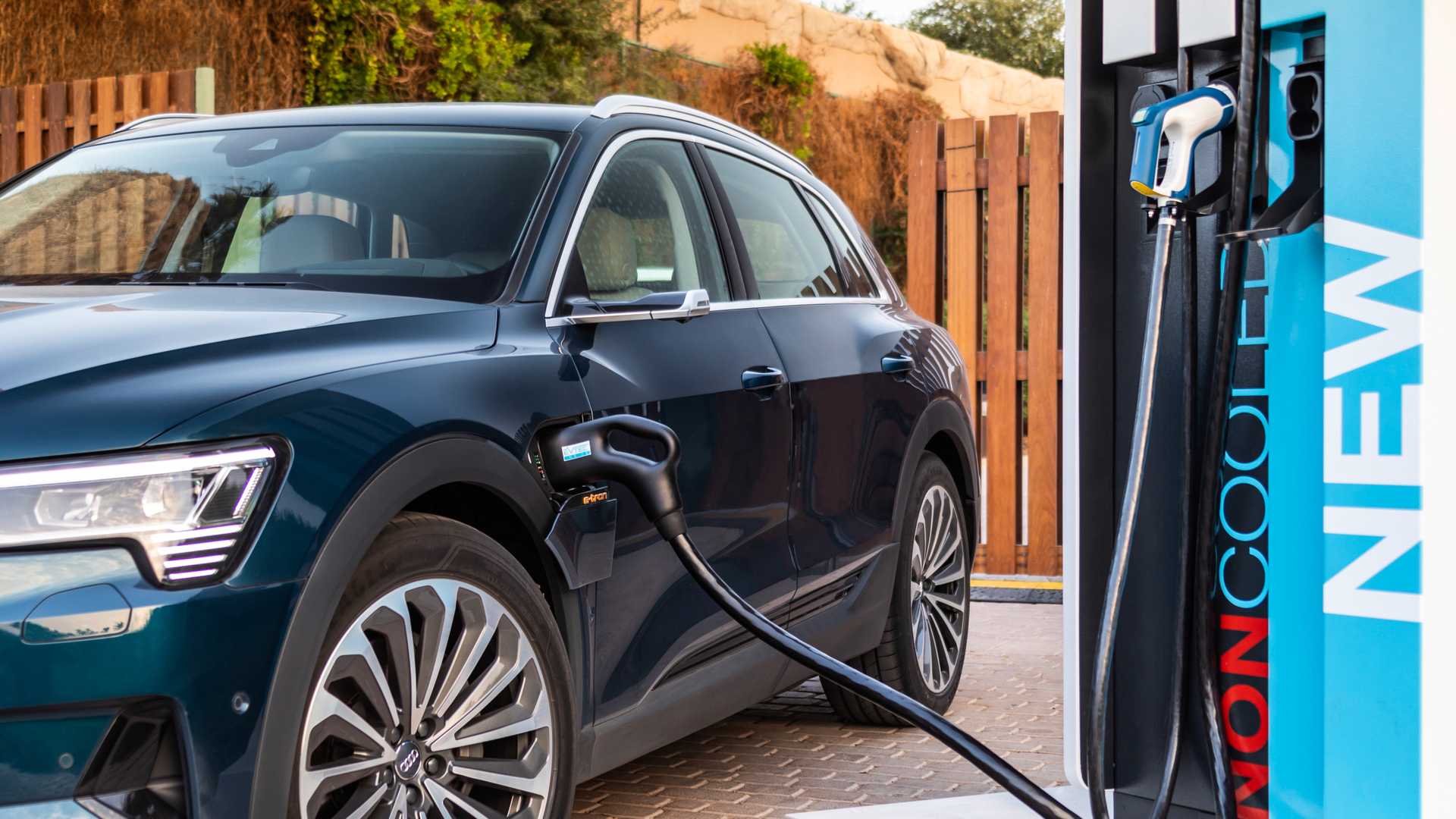
Now, the South African EV situation. This one made me pause. EVs are great, right? Cleaner air, quieter streets, pushing tech forward. But then you hit a wall: the Road Accident Fund, which relies on fuel levies, starts to crash because fewer people are buying fuel. Boom. Unintended consequences.
This is a classic example of what happens when you introduce a major innovation into a complex, interconnected system without fully modeling the downstream effects. As someone who builds products, it’s a stark reminder that we don't just solve problems; we shift them. You fix one bottleneck, and suddenly a new one appears somewhere else, often in a completely unexpected place.
It's like optimizing a database query only for the frontend to start lagging because it's now fetching too much data. Or building a fantastic new feature that's so good, it overwhelms your existing server infrastructure. Good intentions, great tech, but without a holistic view of the system's dependencies and funding models, you end up with a gaping hole.

What does this mean for us? Beyond just building cool tech, we need to think about the ecosystem it lives in. How will our innovation affect existing revenue streams, regulatory frameworks, or even social norms? It pushes us to consider not just the immediate user experience but the broader impact. This is the kind of problem that makes you appreciate the value of robust simulations and foresight in product planning. You build, you iterate, but you also have to model for the future and its potential ripple effects. Otherwise, you’re just patching holes in a sinking ship that you inadvertently punctured yourself. It's the "no gree for anybody" mindset applied to system resilience.
It’s never just about the code. It’s about the people, the policies, the money behind it all. Keeps you on your toes, this tech life.
Related from Nigeria
Let's build your next big product.
Accepting project-based freelance, remote engineering roles, and hybrid positions.