Siri Finally Knows What 'This' Means: A Dev's Take on iOS 27's Apple Intelligence
Apple isn't trying to build another ChatGPT clone. Instead, iOS 27 is quietly tackling the most annoying part of mobile UX: context switching.
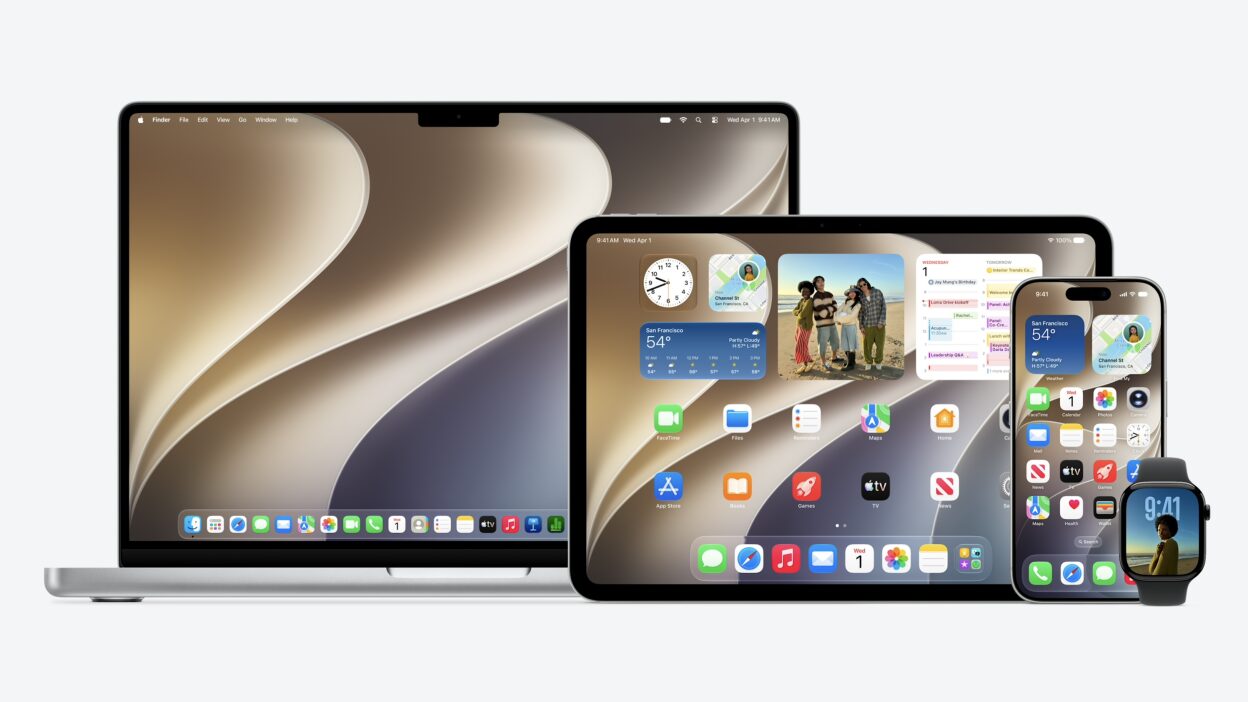
My phone’s battery is currently sitting at 12% because I spent the last three hours fighting a stubborn state management bug in our mobile app. The rain is drumming on the roof of this shared workspace in Gbagada, and honestly, the last thing I wanted to care about today was Apple's latest software release.
But looking at what dropped with iOS 27, I can't help but look at it through the lens of a builder.
Everyone was expecting Apple to build a flashy wrapper around a massive LLM to take on OpenAI directly. Instead, they did something far more practical, and frankly, much harder to pull off: they deeply integrated context across the operating system.

The Context Leap: Why This Matters to Builders
If you build mobile products, you know that the absolute killer of user retention is context switching. The moment a user has to copy an account number from WhatsApp, open their banking app, switch back to copy the bank name, and switch back again to complete the transaction, you've lost half of their attention.
In iOS 27, Siri's new on-screen awareness and cross-app action tools are trying to kill that friction.
Apple’s demo showed Siri understanding what "this" means. If a friend sends an address, you can just say, "Get directions to this place." The system is scraping the active screen state, parsing the entity, and passing it to the Maps API.
This is a massive UI challenge. For us developers, it means we need to start thinking seriously about how we expose our app’s internal data structures to the system. If you are building a logistics app for dispatch riders in Lagos or Onitsha, you want Siri to be able to read an address off an image or a WhatsApp chat and plug it directly into your delivery flow without the rider typing a single word.
Local Processing vs. Nigeria's Network Realities
The "Siri AI" upgrade promises to hold more natural conversations, remembering previous questions so you don't have to repeat yourself. If I ask "When is my flight to Lagos?" and follow up with "Send the details to my brother," Siri keeps the context.
But here is where my developer skepticism kicks in.
How much of this relies on Apple's Private Cloud Compute, and how much is processed on-device?

When you are working from a cold morning in Jos or navigating a busy market square in Akure, your network connection is rarely stable. If Siri has to ping a remote server every time it needs to understand what "this" means on my screen, the feature is dead on arrival for the average Nigerian user.
If it's processed on-device, it's a game-changer. It means the feature works even when you are on a shaky 3G network because your data plan is exhausted or the local mast is acting up.
Natural Language Automation is the Real Winner
For me, the sleeper hit of this update is the overhaul of the Shortcuts app.
Historically, writing a shortcut was like writing low-code scripts. It was too complicated for non-technical people. Now, Apple says you can just say, "Turn on Do Not Disturb when I arrive at work and send my wife a message," and the system builds the automation for you.
This lowers the barrier to entry for mobile automation to zero.
Imagine setting up automated workflows for small business owners who run their entire hustles off their phones. A fabric vendor in Balogun could eventually automate sending receipt screenshots to a specific folder and updating an Excel sheet just by speaking to their phone. That is the kind of practical utility that makes technology feel less like a luxury and more like a tool.
The Hustle Continues
At the end of the day, these shiny updates only matter if we build apps that plug into them.
My immediate task is still waiting for me: resolving that React Native bug so our users don't "gree" for our app's clunky checkout flow. But as I jump back into my IDE, I'm already thinking about how we can structure our local data stores so that when iOS 27 rolls out to the wild, our users can just tell Siri to handle their business without opening our app at all.
What do you think? Is this the future of mobile interaction, or is it just more hype that will struggle to work when the network bars drop? Let me know in the comments.
Related from Nigeria
Let's build your next big product.
Accepting project-based freelance, remote engineering roles, and hybrid positions.