Trillionaires in Space, Sapa on the Ground: A Dev’s Reality Check
Elon Musk just hit trillionaire status while SpaceX IPOed. Meanwhile, I'm sitting in a warm workspace, staring at my AWS bill and wondering how to build for the next billion users without going broke.

My generator has been humming for three hours straight because the grid decided to take another unscheduled holiday. I’m sitting here, fan blowing warm air across my face in this Gbagada workstation, staring at a headline that says Elon Musk is now the world’s first trillionaire because SpaceX finally went public.
A trillion dollars. Twelve zeros.
While SpaceX is literally launching rockets and making its founder richer than some continents, those of us building software on this side of the Atlantic are fighting a very different kind of gravity.

The Starlink Lifeline (And the Billing Nightmare)
Let's talk about the irony of Elon’s empire. For a developer working out of a quiet estate in Akure or trying to run a remote agency in Owerri, Starlink has been an absolute lifeline. Before it arrived, pushing heavy Docker images to production was a game of Russian roulette with local ISPs. You’d hit deploy, and the upload speed would drop to 2kbps right at the last layer.
But have you seen the subscription prices lately? The moment the dollar rate fluctuates, our internet bills spike. When your primary utility behaves like a volatile meme coin, it makes you rethink your entire operation.
We are paying for Western-priced infrastructure using local revenue. It forces you to write highly optimized code because you simply cannot afford to throw hardware at a software problem.
Survival Code: Optimization Out of Necessity
When you look at Silicon Valley devs, they’ll spin up three different microservices, a heavy managed database, and five Redis caches just to run a basic CRUD app. They have the VC funding to pay for AWS without blinking.
Over here, we write survival code.
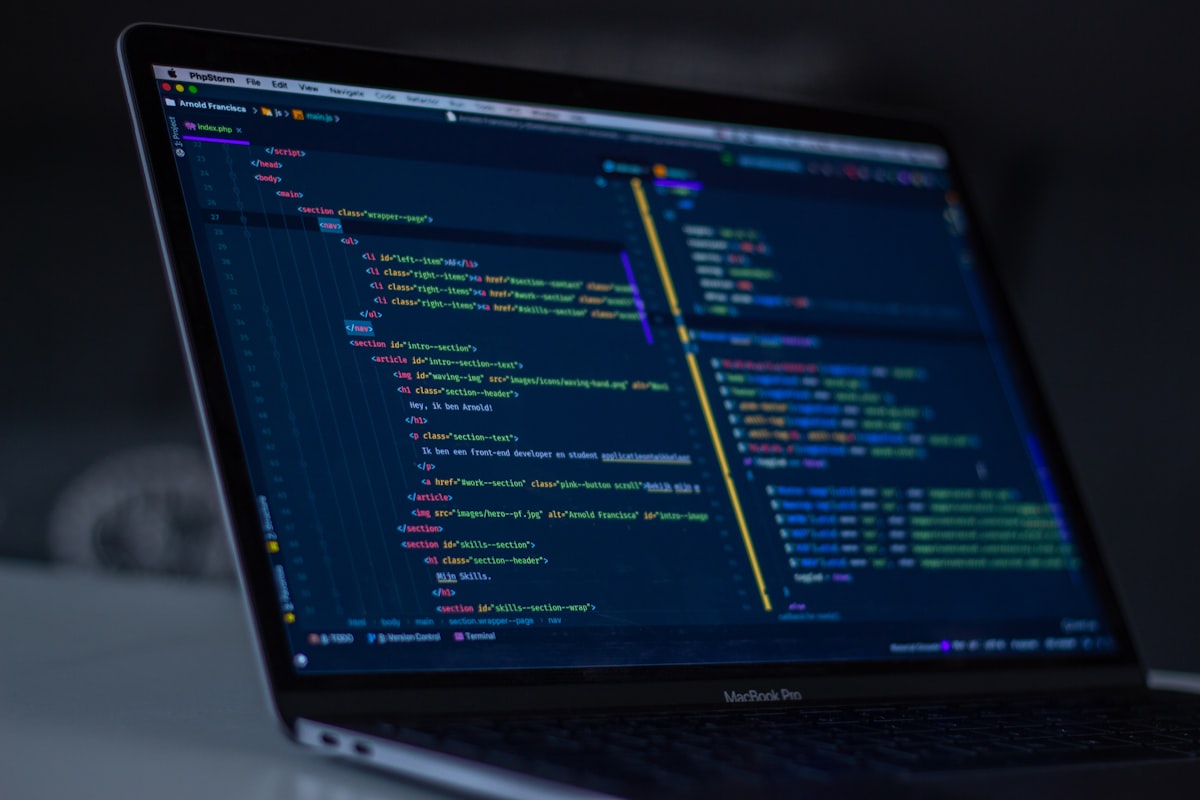
I’ve spent the last two days refactoring a backend API for a logistics startup. Instead of keeping a massive database instance running constantly on AWS RDS, we migrated parts of the heavy read-workloads to local SQLite databases that sync periodically. We cache like our lives depend on it because every database query we save is a fraction of a cent we keep in our pockets.
It is the "No gree for anybody" mindset applied directly to our tech stack. We don't let inefficient code eat into our runway.
Building Reusable Rockets on a Shoestring Budget
SpaceX succeeded because they built reusable rockets. They stopped throwing away the expensive stuff after one launch.
There is a huge lesson there for local product founders. We can’t afford to build throwaway software anymore. Every piece of authentication middleware, every payment integration gateway, and every notification service we write has to be modular and reusable.
If I'm building a new fintech MVP for a client in Onitsha, I’m not writing the ledger system from scratch. I’m pulling from my own tested, hardened boilerplate that I’ve used across three other projects. We have to reduce our own cost of failure.
The gap between a trillionaire launching rockets in Texas and a developer debugging on a low laptop battery in Lagos feels massive. But the grit we develop by building under these constraints makes us incredibly sharp. If you can build a stable, scalable app while managing power cuts, fluctuating internet, and dollar-denominated server costs, you can build anything, anywhere.
Time to shut down the generator and switch to battery power. There's still some middleware to write.
Related from Engineering
Let's build your next big product.
Accepting project-based freelance, remote engineering roles, and hybrid positions.