AI Independence: No More Renting, Time to Own Our Bits
The article on decentralized AI hit different. For us building products in Nigeria, it's not just tech talk; it's about breaking free from the financial chokehold of big tech and finally owning our digital future.
You know that feeling when you're trying to build something innovative, something truly impactful for your community here in Nigeria, but it feels like you're constantly fighting upstream? Like the tools you need are designed for a whole different reality, not the one where "sapa" is a daily struggle and power is a luxury?
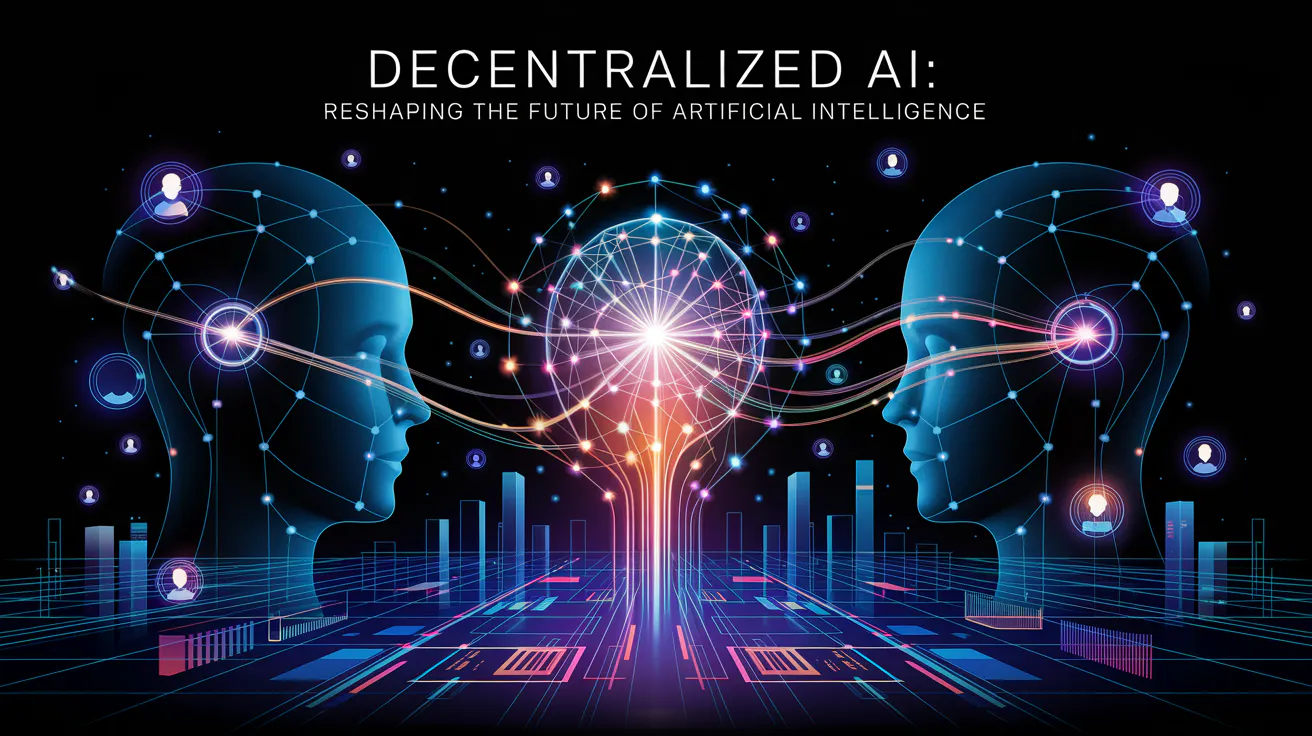
Well, I stumbled upon an article today that really got my gears turning – "The AI Independence Movement." It talks about decentralized AI, and honestly, it felt like someone finally articulated the silent prayer of every Nigerian founder trying to scale a product built on borrowed (and expensive) foreign tech.
The Centralized Wahala is Real
Look, running even a simple service on AWS or Google Cloud is already a wild ride with our forex rates. Imagine adding hefty AI model inference costs on top of that. It’s a complete non-starter for most bootstrapped startups or even smaller businesses in places like Aba or Kano trying to leverage AI for market analysis or customer support.
The article nailed it: vendor lock-in. We build our applications, integrate with these massive, proprietary AI models, and then boom! The pricing changes, the API terms shift, and suddenly your whole cost structure is upside down. We become renters, perpetually paying for access to intelligence built on someone else's terms. It’s like buying a generator but having to pay the generator company every time you want to switch it on. This centralized control doesn't just impact our budgets; it stifles innovation, especially for local solutions that need to be nimble and cost-effective.

DePIN, Open-Source, and the Spirit of "No Gree For Anybody"
This idea of Decentralized Physical Infrastructure Networks (DePIN) for AI? My goodness. The thought of pooling GPU resources, creating a community-owned network for compute – that’s not just a cool concept; it’s a potential lifeline for us. We don't have server farms sitting pretty in every state, but imagine a network where I, with my reasonably powerful workstation in Gbagada, can contribute my idle compute power, and someone in Akure building a startup can tap into it for a fraction of the cost. That's real resourcefulness.
Then there's the push for open-source LLMs. This is where we truly get to breathe. Proprietary models are black boxes, often trained on data that doesn't reflect our local nuances, our languages, our specific market behaviors. With open-source, we can fine-tune, adapt, and build models that understand the intricacies of Nigerian pidgin, local slang, or even niche agricultural terms. We can build genuinely "local-first" AI without constantly hitting a paywall or a language barrier. It means owning the intelligence, not just renting it. It aligns perfectly with the "no gree for anybody" mindset we have when it comes to solving our own problems.
Building Our Own Future, Bit by Bit
What does this mean for me, for my startup, for others navigating the chaotic energy of the Nigerian tech scene? It means shifting our focus from simply consuming AI services to contributing to and building upon decentralized AI infrastructure.
We could be developing applications on top of these open-source models, tailoring them for specific Nigerian use cases. We could be exploring how to contribute our own hardware to DePIN networks, making us not just users but active participants and owners of the infrastructure. This isn't just about cutting costs; it's about building sovereignty, ensuring that the next wave of intelligence isn't entirely controlled by a handful of global giants who might not understand the unique challenges and opportunities we face.

Imagine what this could unlock beyond Lagos and Abuja. Startups in Owerri could be training local language models for tourism, or developers in Kaduna could be building AI-powered solutions for local agriculture, all without needing to break the bank for compute or API access. It's about distributing the power, literally and figuratively.
It won't be easy, nothing ever is here, but the path towards AI independence feels less like a distant dream and more like a tangible goal. We need to be part of building this decentralized future, not just waiting for it to arrive. It's time to build our own tables, own our compute, and forge an AI ecosystem that truly serves our people.
Related from Tech
Let's build your next big product.
Accepting project-based freelance, remote engineering roles, and hybrid positions.