Why Global Energy Shocks Mean I'm Rewriting My API to Save Petrol
With global oil hubs under threat and weather patterns going wild, the cost of keeping a laptop powered just went up. Here is why I am obsessing over code efficiency to survive the squeeze.
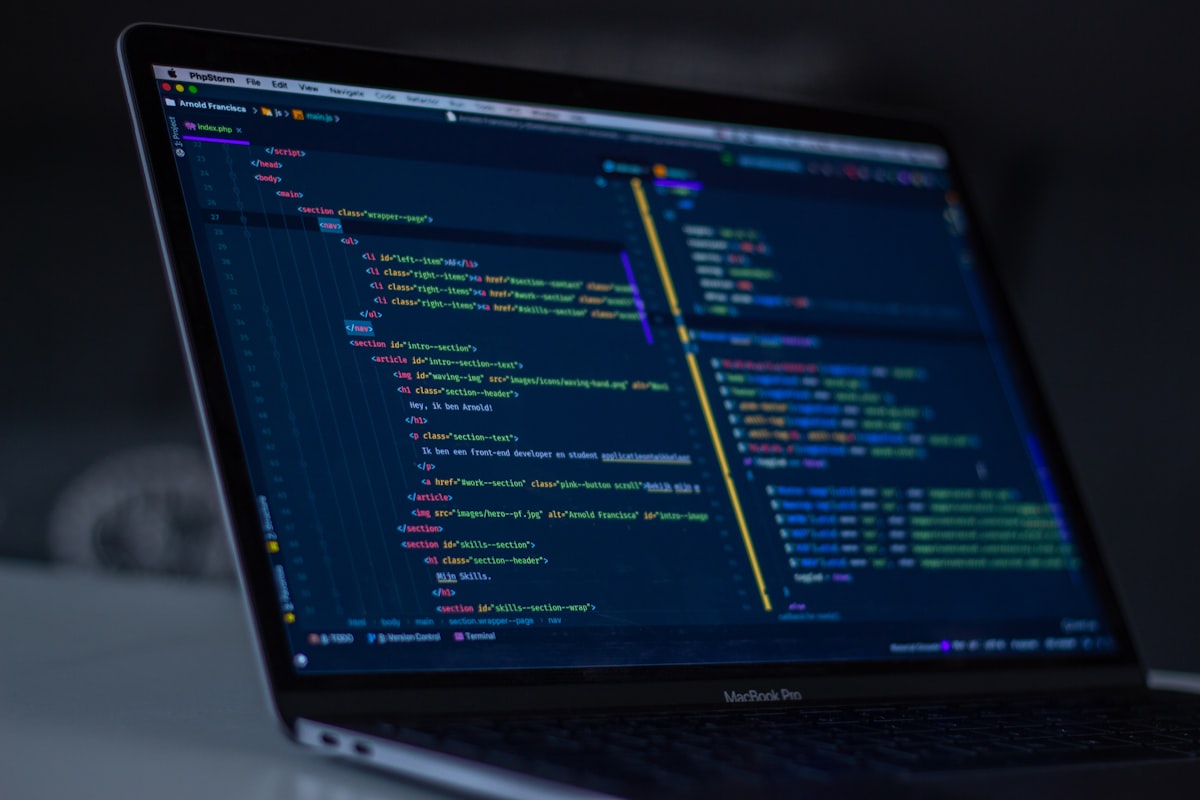
My generator is currently singing a very expensive song outside my window.
If you have been keeping an eye on the news, you probably saw the headlines about potential strikes on Iran's Kharg Island oil infrastructure. While traders in London and New York panic over oil futures, my immediate thought goes straight to the local filling station here. Any friction in global oil supply instantly triggers a reflex reaction in our fuel prices.
For those of us running workstations in Gbagada or building tech startups out of shared hubs in Akure, energy is not an abstract utility. It is a daily, line-item expense that directly competes with our API billing. When global energy shakes, our local development environments feel the squeeze almost instantly.

Your Local Host Doesn't Care About Geopolitics, But Your Fuel Tank Does
When you are fighting to keep your inverter batteries alive or rationing fuel for the generator, you start looking at your tech stack differently. Suddenly, running five heavy Docker containers, a couple of local Kubernetes clusters, and three instances of a resource-hungry IDE on your machine feels like financial self-sabotage.
Every extra percentage of CPU utilization draws more power.
I have started auditing my local development habits. Do I really need to run that massive Elasticsearch instance locally for a basic search feature, or can I mock it? Can I swap out a bloated framework for a lightweight Go or Rust binary that does the same job without making my laptop fan sound like a jet engine?
Optimizing your code for low resource consumption is no longer just a theoretical best practice for production; it is how you keep your laptop from draining your battery backup before the national grid decides to show up.
El Niño, Dust, and the Inverter Struggle
The weather reports are warning about a massive El Niño cycle. We are talking about extreme heat and unpredictable weather patterns. If you have ever tried to code through a dry, dusty heatwave in Jos or a humid afternoon in Owerri, you know exactly what this means for hardware.
Heat is the ultimate enemy of performance. When the ambient temperature rises, your laptop throttles. Your build times double. Your battery health degrades faster.

To make matters worse, dry weather means dust. Dust clogs up cooling vents, forcing internal fans to spin faster and consume more precious battery juice.
If you are relying on solar panels to bypass the grid's constant failures, a layer of dust can significantly drop your energy generation. The "No gree for anybody" mindset this season means keeping your physical hardware clean, running lightweight text editors when you can, and avoiding heavy, unoptimized background processes.
Surviving the USD Billing Squeeze
When global tensions rise, the local currency gets nervous. That means our cloud bills, which are priced in hard US dollars, become incredibly volatile.
Paying for AWS, Supabase, or Vercel can quickly trigger a severe case of "Sapa" if you aren't careful. It forces you to build smarter.
Instead of mindlessly spinning up expensive managed services for every new side project, I have been looking back at bare-metal setups and self-hosting on cheap VPS instances. We have to design our architectures to be incredibly lean.
Caching aggressively, reducing database roundtrips, and writing highly efficient queries are not just things we do to please users; we do them to keep our cloud bills from bankrupting us.
At the end of the day, we cannot control global oil policies, and we cannot stop El Niño. But we can control how clean our code is, how light our local development environments are, and how smartly we manage our physical setups.
Keep your laptops cool, optimize those API endpoints, and keep building.
Related from Engineering
Let's build your next big product.
Accepting project-based freelance, remote engineering roles, and hybrid positions.