When Global Fires Spark, My Code Still Runs
Another morning, another scan of global headlines that make you wonder if the generator will run or if that new API integration will survive the next market tremor. It’s always something, isn't it?

Woke up today to the usual Nigerian symphony – a mix of distant street hawkers, a generator trying its best to come alive, and the insistent buzz of my phone. Decided to quickly scan the news before diving into the day’s sprint. My usual Gbagada workstation was calling, but first, a dose of global reality.
The World's Jitters and Our Servers
It's hard to ignore the big headlines. US strikes in retaliation, more unrest in Belfast, people getting hurt. My first reaction isn't about the why of the politics – that's a rabbit hole for another day. My brain immediately jumps to: what does this mean for us, here, building things?
Seriously, global instability is a real pain in the neck for anyone trying to execute. When big powers clash, the ripple effect usually hits emerging markets hardest. Think about it: potential spikes in crude oil prices, which directly translates to our diesel costs for running the office generators. If fuel prices jump, so does everything else – transport for my team, the cost of importing those crucial server components or dev boards. It’s a cascading effect that can turn a carefully planned budget into a paper airplane in a hurricane.
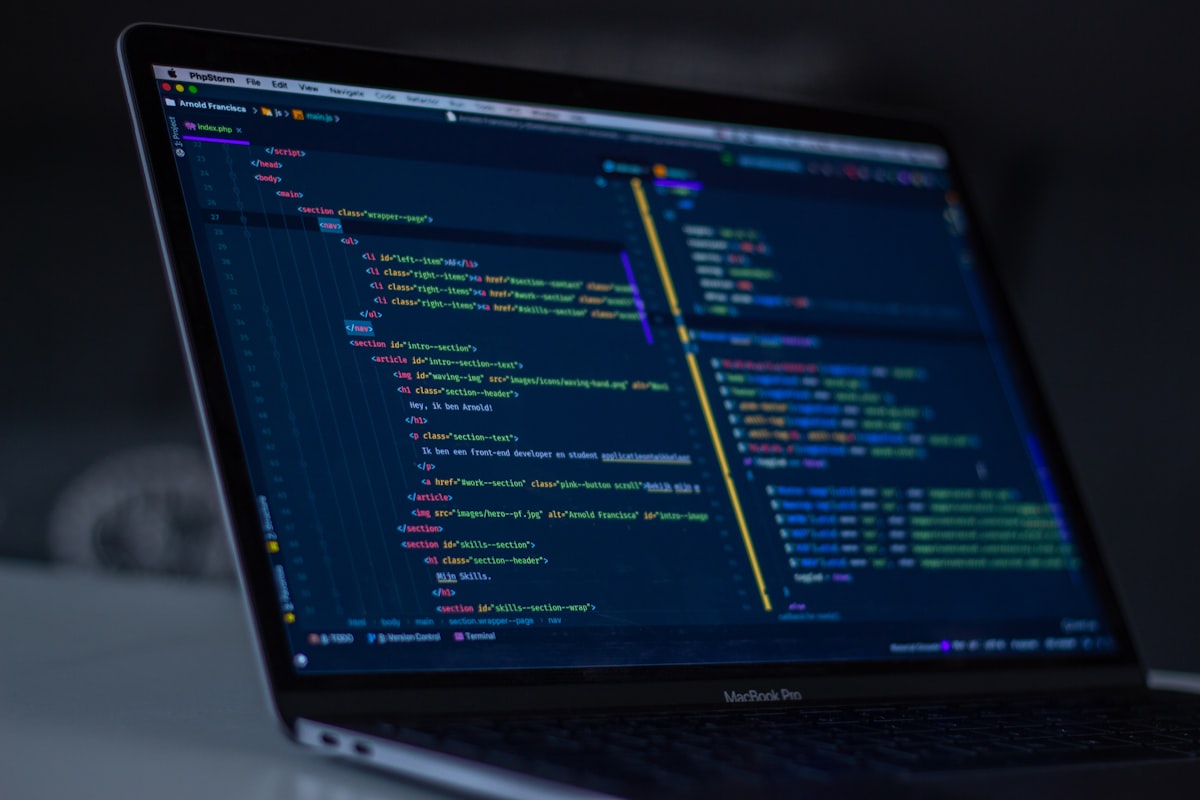
This kind of news makes me think about our tech stack choices. How robust are we? How much are we dependent on external factors? It’s why I’m always pushing for solutions that can run lean, be efficient, and ideally, not be completely derailed by supply chain hiccups from halfway across the world. Building resilient infrastructure isn't just about uptime; it's about insulating ourselves, however slightly, from the world's constant drama.
Building Against the Grain
And the Belfast riots? Another stark reminder that stability is the bedrock for any kind of growth, tech or otherwise. It's easy to get lost in our code, optimizing database queries or tweaking UI/UX, but all of that happens within a larger ecosystem. When that ecosystem is turbulent, it impacts everything – from investor confidence to just the general morale of people trying to make a living.
I remember thinking about this during those cold Jos mornings last year, trying to debug a complex payment gateway while half the country was dealing with one issue or another. It pushes you. It creates that "no gree for anybody" mindset, where you just have to find a way to make it work, no matter what.

This isn't about despair, though. Far from it. This is Stanley’s Log, not Stanley’s Lament. These global headwinds, ironically, sharpen our resolve. They force us to be more innovative, more resourceful. If an international investor gets skittish because of global politics, then we double down on local funding, local solutions, and proving our value within our own market.
Keep Pushing, Keep Building
The news can be a lot. Some days it feels like a heavy weight, like trying to push a bug fix through a slow network connection. But then I look at what we're building, the problems we're solving for Nigerians – whether it’s making transactions smoother, or connecting people, or just creating tools that make daily life a little less of a struggle. That’s the real work.
So, while headlines scream about faraway conflicts, my focus stays here: on the next line of code, the next user story, the next iteration of a product designed to thrive, not just survive, in our unique, chaotic, beautiful Nigerian reality. The world might be on fire, but our code, our hustle, keeps burning bright.
On to the sprint, then. Time to make something happen.

Related from Engineering
Let's build your next big product.
Accepting project-based freelance, remote engineering roles, and hybrid positions.