My Two Cents on Kloset Klub: Recommerce, The Grind, and African Logistics
Saw Kloset Klub just snagged seed funding for their circular fashion play in SA. Got me thinking about how we can build similar smart solutions for the 'bend-down-select' hustle right here in Naija, minus the typical headache.
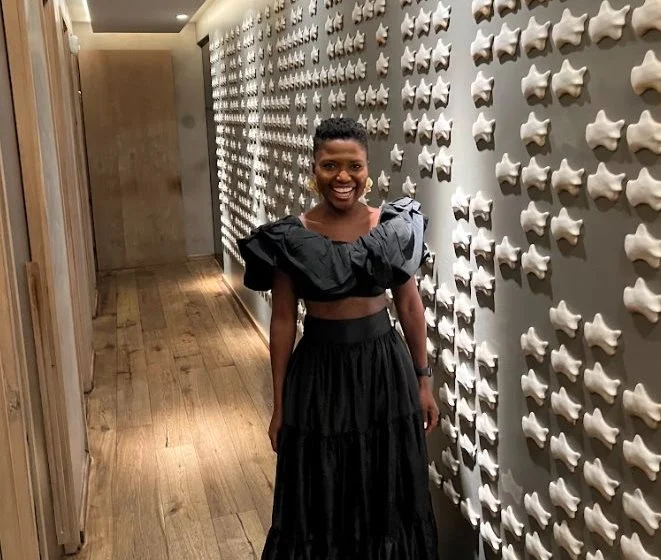
Sometimes, after a long day of trying to wrestle a stubborn API into submission, I scroll through the latest startup news. Today, Kloset Klub, a South African outfit doing circular fashion, caught my eye. They just landed some seed money from Thinkroom and an angel investor. And honestly, it sparked a whole train of thought about what we’re building, or could be building, right here.
The Kloset Klub Model: Simple, Yet Powerful
What Kloset Klub is doing isn't new in concept – people have been buying and selling used clothes forever. But they’re putting a tech layer on it: curated resale, peer-to-peer, managed wardrobe services. That "managed wardrobe services" bit, where they help you clean out your closet and unlock value from clothes you no longer wear? That’s where the rubber meets the road, technically.
Think about the backend: inventory management for unique, one-off items, quality control workflows, secure payment gateways for both sellers and buyers, and a really smooth UX to make listing and finding items painless. It’s not just an e-commerce site; it's a marketplace with extra steps for quality assurance and convenience. That's a solid engineering challenge, making something inherently messy feel effortless.

Funding & The Recommerce Wave
The fact that investors are backing this shows a growing appetite for sustainable commerce. People are realizing there’s a goldmine in what's already owned. In a place like Nigeria, where "sapa" is a daily reality for many and making your money stretch is an art form, this kind of model could be massive. We've got the "Okrika" markets, the "bend-down-select" culture – reusing and recycling clothes is embedded in our DNA. Kloset Klub is just formalizing it, making it safer, more accessible, and more appealing for a wider demographic.
The investment is a nod to the founder, Phumi Körber, and her vision. It also means they can pump more resources into scaling. For us developers, "scaling operations" means a lot of things: beefing up servers, optimizing database queries, building more robust security, maybe even exploring AI for recommendations or automated quality checks. It’s never just a flip of a switch.
Bringing it Home: The Nigerian Angle
Now, imagine building something like this here. Kloset Klub is planning to expand its managed "Kloset Cleanout" service. In South Africa, that might mean a smooth pickup service. In Nigeria? Ah, logistics is where the real fight begins.
Think about a vendor in Akure trying to get their carefully curated pre-loved pieces to a buyer in Port Harcourt. Or a managed cleanout service navigating the chaotic, beautiful mess of Lagos traffic. You'd need a rock-solid logistics backend, probably integrating with multiple third-party delivery services, and robust tracking systems that account for "Nigerian time" and unexpected detours. This isn't just about code; it's about deeply understanding the ground reality.

Beyond logistics, there's the trust factor. How do you guarantee the quality of a pre-loved item online? Kloset Klub probably has a robust vetting process. We'd need something similar, perhaps even more stringent, given some of the past online marketplace experiences here. Could we leverage community reviews? Or even local collection points manned by trusted agents, like the way some mobile money agents operate?
The technical problems are interesting. Authentication, anti-fraud measures, even language support for multiple Nigerian languages – these are all things we'd have to build from the ground up, making it uniquely Nigerian.
The Opportunity We’re Sitting On
This Kloset Klub story, for me, isn't just about fashion. It's about seeing a core human need – value for money, sustainability, accessing quality goods – and applying tech to solve it in a localized way. We have millions of people who understand the value of a good second-hand item. We have a growing middle class looking for smart ways to manage their budgets and wardrobes.

The tools are available, the talent is here. What Kloset Klub shows is that investors are ready to put money into solutions that make sense for our continent, even for niche markets like circular fashion. It’s a good reminder to keep our eyes open, not just for the next big crypto thing, but for the everyday problems that a well-built piece of software can genuinely ease for regular Nigerians. Now, back to that API… hopefully, it's feeling more cooperative.
Related from Venture
Let's build your next big product.
Accepting project-based freelance, remote engineering roles, and hybrid positions.