Interswitch Wants to Run the Bank's Brain. Are Developers Ready for the Integration?
Interswitch is teaming up with Temenos to move beyond payments and sell core banking tech. Let’s talk about what this means for the folks actually writing the code.
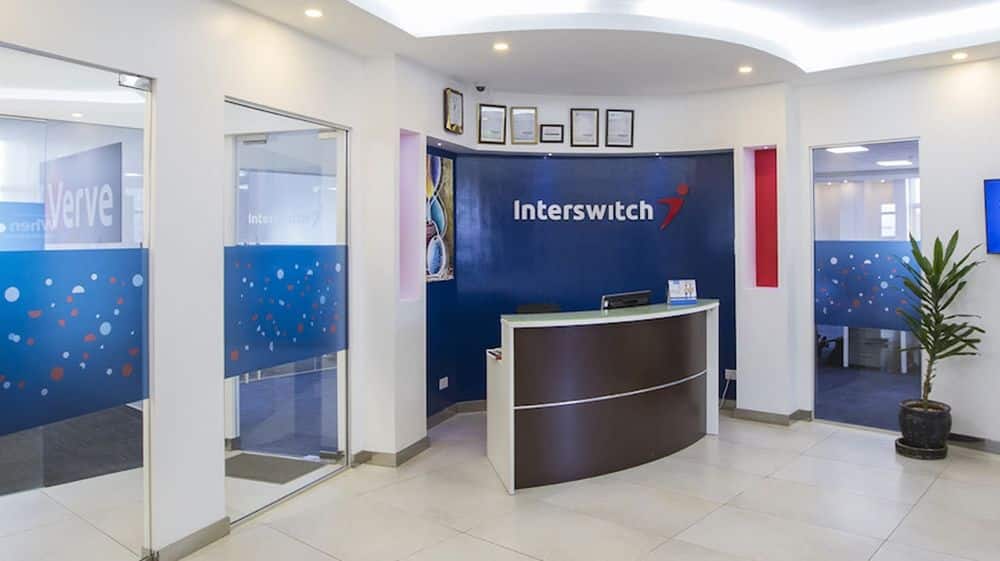
Anyone who has ever tried to integrate a financial API in Nigeria at 2:00 AM while surviving on cold instant noodles and pure adrenaline knows the distinct flavor of our fintech infrastructure. It’s a mix of brilliant engineering and occasional, unexpected downtime that makes you want to pull your hair out.
So when the news dropped that Interswitch—the absolute godfather of Nigerian payments—is partnering with Temenos to sell core banking software, my developer senses immediately started tingling.
This isn't just another corporate handshake. It's a massive shift. For years, Interswitch has been the pipes carrying the money (think Quickteller, Verve, and switching infrastructure). Now, they want to build the actual tank where the money sits. They are moving from routing transactions to hosting the entire brain of the bank.

The Heavyweight in the Room
For the non-devs reading this, Temenos is the engine behind some of the biggest traditional legacy banks on the planet. It is powerful, extremely secure, and incredibly complex. If you want to start a digital bank or scale a microfinance institution, writing your own ledger system from scratch is usually a terrible idea. You want something battle-tested.
But here is the catch: legacy core banking systems are notoriously hard to implement. They require massive teams, millions of dollars, and months (sometimes years) of configuration.
I remember sitting in a stuffy Gbagada workstation a few years ago, arguing with my co-founder about why our database queries were lagging. We realized that interfacing with traditional banking structures felt like trying to talk to a mainframe from the 1980s. If Interswitch can successfully localize Temenos’s heavy-duty tech and make it accessible to local players without the astronomical price tag, it’s a massive win.
But if the integration process involves 300-page PDF manuals, outdated SOAP protocols, and sending physical letters to an office to get sandbox API keys, we are going to have a very long, very painful road ahead.

Why This Matters for Local Builders
Let’s look at the reality on the ground. Right now, there is a quiet explosion of niche financial services outside of Lagos. From tech-forward agricultural cooperatives in Akure to trading syndicates in Onitsha, people need banking infrastructure that actually works when the local network is patchy.
Most of these smaller microfinance setups and startups are running on fragile, homegrown systems because the big foreign core banking platforms are simply too expensive or too rigid for the Nigerian market. They are fighting the "Sapa" struggle on an institutional level.
If Interswitch can package this new offering into something modular—let’s call it "Banking-as-a-Service"—it means a small team of three developers in a shared hub in Jos could spin up a fully compliant, secure digital credit union in a weekend. That is the dream. We need tools that let us build fast without breaking the basic laws of financial accounting.
My Skepticism (Because I'm a Dev)
I want to be excited, but experience has taught me to keep my optimism cautious. Interswitch is a giant, and giants sometimes move slowly.
For this to work for the next generation of builders, we don't just need press releases about major partnerships. We need:
- Real Sandboxes: APIs we can test immediately without signing a non-disclosure agreement first.
- Modern SDKs: If I have to write custom wrappers for outdated protocols just to check an account balance, I'm going to lose my mind.
- Transparent Pricing: Don't make us hop on three "discovery calls" just to know how much a simple API call costs.
The Nigerian tech ecosystem has evolved past the point where we accept subpar developer experiences just because a provider is local. We have tasted clean documentation from global players, and our expectations are high.
If Interswitch nails the developer experience on this Temenos roll-out, they won't just dominate payments; they'll own the entire foundation of African finance. If they mess it up, developers will simply keep looking for workarounds, building shaky systems because the alternative is too painful.
Let's see what the docs look like when they launch. I've got my terminal open and my coffee ready. Over to you, Interswitch.
Related from Nigeria
Let's build your next big product.
Accepting project-based freelance, remote engineering roles, and hybrid positions.