Google's New AI Pricing: A Reality Check for Nigerian Devs
Google just shook up its Gemini subscription tiers. Here is what the pricing means for those of us trying to build products while watching our bank accounts.
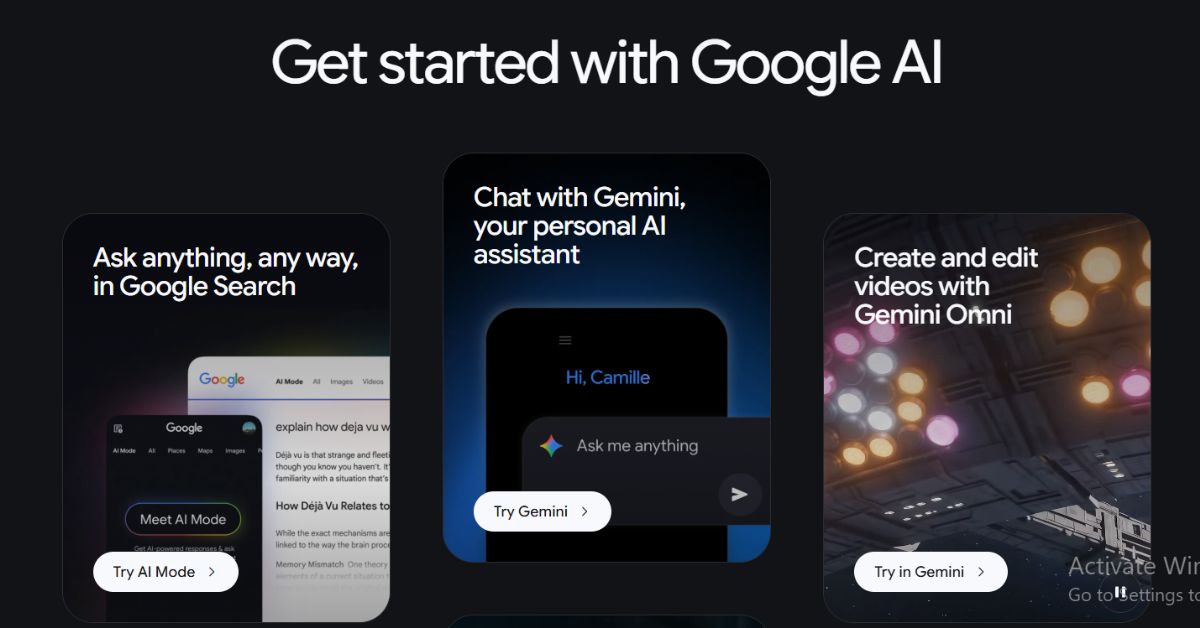
I was staring at my virtual dollar card balance this morning, doing the painful mental math of current Naira exchange rates, when the details of Google’s new I/O subscription overhaul popped up.
If you are like me, running a startup or freelancing from a Gbagada workstation with a generator humming in the background, every single recurring dollar payment hurts. You have to ask: Is this tool actually making me money, or am I just funding foreign big tech while surviving on caffeine?
Google’s old "one-size-fits-all" AI Premium tier is gone. Now we have four different levels: Free, Plus ($7.99), Pro ($19.99), and two flavors of Ultra starting at a jaw-dropping $100 a month.
Let us look at how these stack up for those of us building here.

The Free Tier: Good for Asking Questions, Bad for Shipping Code
The free tier context window is stuck at 32K tokens. If you are just using Gemini to write basic email pitches or explain a weird CSS bug, this is fine.
But if you are trying to feed it a couple of large React components or a backend controller to find where a memory leak is happening, 32K tokens will choke almost instantly. You do not get the premium media tools either, which means no quick placeholders for your UI mockups. It is basically the "no gree for anybody" starter pack—good for scraping by, but you will hit a wall fast.
Google AI Plus ($7.99): The Budget "Sapa" Savior?
At roughly 12,000 to 13,000 Naira a month depending on which fintech card you use, the Plus plan is the cheapest way to get Gemini 3 Pro.
The real winner here is the family sharing. If you are running a tiny dev shop with some guys in Akure or Owerri, being able to share this plan with five other people is a massive cost-saver. You get 200 GB of storage too.
But there is a catch: the usage limits are low, and you do not get Workspace integration. If you want the AI to directly clean up your Google Docs pitch decks or read through your Google Drive folders, you are out of luck. It is a stepping stone, nothing more.
Google AI Pro ($19.99): The Sweet Spot (If You Can Afford It)
This is where things get interesting. For about 30,000 Naira a month, Google bumped the storage to a massive 5 TB. If you already pay for cloud storage to keep your raw assets, video backups, and Docker builds, this actually makes financial sense.
They also threw in YouTube Premium Lite, which means fewer annoying ads while you are trying to watch coding tutorials at 2:00 AM.

From a pure dev perspective, Pro gives you Deep Research and Workspace integration. But look at the fine print: usage is now "compute-based" rather than a set number of prompts. Every time you ask Gemini to do "Deep Think" or run a complex media generation, you eat up your compute juice faster. It refreshes every five hours, but if you are in the zone trying to debug a complex deployment, waiting for a refresh timer is the absolute worst.
The $100 and $200 Ultra Monster
Google is targeting developers and agencies with this one. But let us be honest: paying $100 (well over 150,000 Naira) every single month for one AI tool is wild for a solo developer in Nigeria.
Unless you are actively building high-ticket production apps for international clients who are paying you in hard currency, stay far away from this. The ROI just is not there yet for local bootstrappers.
My Verdict
If you are just starting out or hacking on side projects, stick to the free tier or stretch to the $7.99 Plus tier if you can split it with friends.
For those of us running actual businesses where downtime costs money and time is our rarest asset, the $19.99 Pro plan is a bitter but necessary pill to swallow. The 5 TB storage bump alone makes the pill slide down a bit easier.
What about you? Are you sticking to the free tools, or are you actually upgrading your stack? Let me know in the comments.
Related from Nigeria
Let's build your next big product.
Accepting project-based freelance, remote engineering roles, and hybrid positions.