The Taxman Always Comes for the Growth
Kenya's EV scene was finally hitting its stride, then the government decided it wanted a 16% cut of the future. It's a classic case of pulling the rug just as the code starts running smoothly.
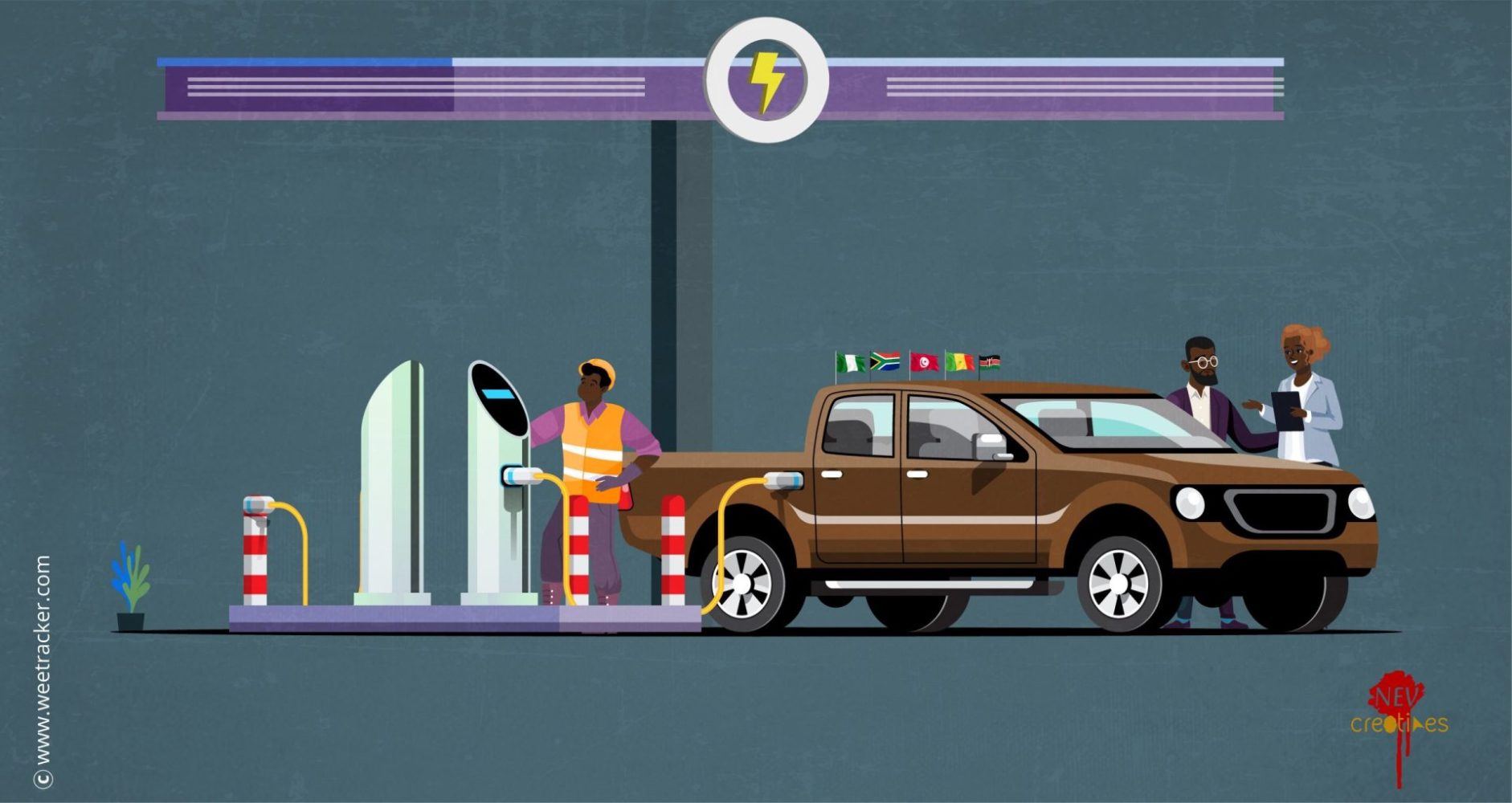
Nothing ruins a good deployment like a sudden change in the environment variables you didn’t account for. I was catching up on the latest from Kenya, and it feels like the government there just pushed a breaking change to production without testing it in staging first.
For the last three years, Kenya has been the poster child for what happens when you actually let a tech sector breathe. They went from fewer than 800 EVs to over 24,000. That’s a 3,000% increase. If my app's user base grew like that, I’d be popping champagne in a Gbagada workstation. But now, the Finance Bill 2026 wants to slap a 16% VAT on electric vehicles, lithium-ion batteries, and e-bicycles.
It’s the ultimate "Sapa" move from a government that realized they might be missing out on a piece of the pie.

Hardware is hard, but taxes are harder
If you’ve ever tried to build hardware or even just manage the logistics of moving physical goods in a place like Onitsha or the chaotic bus parks in Owerri, you know the margins are razor-thin. Electric motorcycles—the famous boda bodas—succeeded because the math worked. Riders were saving 40% on fuel and maintenance.
When you add a 16% tax on the battery, you aren’t just taxing a component; you’re taxing the heartbeat of the entire business model. These riders aren’t doing this for "the environment"; they’re doing it because it’s cheaper than petrol. If the government breaks that economic logic, the whole "green" dream becomes an expensive hobby for the elite.
As someone who builds products, I see this as a massive bug in the policy logic. You can't spend months launching a national e-mobility policy with green number plates and fanfare, and then immediately tax the lithium that makes it go. It’s like offering a developer a free API tier and then charging $100 for every POST request once they’ve integrated it into their core stack.

The Funding vs. The Friction
The money has been flowing. Zeno, Spiro, Roam—these guys are raising tens of millions of dollars. But venture capital is a coward; it runs away at the first sign of unstable regulatory ground.
I’ve seen this play out in Nigeria too many times. We "no gree for anybody" until the policy environment makes it impossible to even stand. We saw it with the bike-hailing ban in Lagos years ago. One day you’re the future of transport, the next day your fleet is gathering dust because someone in an office signed a paper they didn’t fully think through.
Kenya's EV infrastructure—the swapping stations and the 300+ charging points—was built on the promise of incentives. If those incentives evaporate, those charging stations become very expensive monuments to what could have been.
Why we should care in Nigeria
I’m sitting here thinking about the guys building tech in Akure or trying to fix logistics in the North. We look at Kenya as the benchmark for e-mobility. If their government successfully throttles this growth with a "tax-first" mindset, it sets a terrible precedent for the rest of the continent.

We need more "how do we make this cheaper for the end user" and less "how do we extract revenue before the industry even matures."
I’m tired of seeing great execution get tripped up by fiscal desperation. If we want to move from 24,000 EVs to 70,000 by 2030, we need to stop treating startups like ATMs and start treating them like the infrastructure they actually are.
Let the builders build. If you tax the seeds, don't be surprised when the harvest is thin.
Related from Venture
Let's build your next big product.
Accepting project-based freelance, remote engineering roles, and hybrid positions.