Hardware is hard, but Nigerian policy is harder
Terra Industries is taking their drone factory to Ghana. It’s a classic case of wanting to build the future but being tired of fighting the ghosts in the Nigerian system.
"No gree for anybody" is a great slogan until you’re trying to import specialized sensors for a fleet of autonomous drones and the customs clearing process feels like it’s being run on a 1998 mainframe.
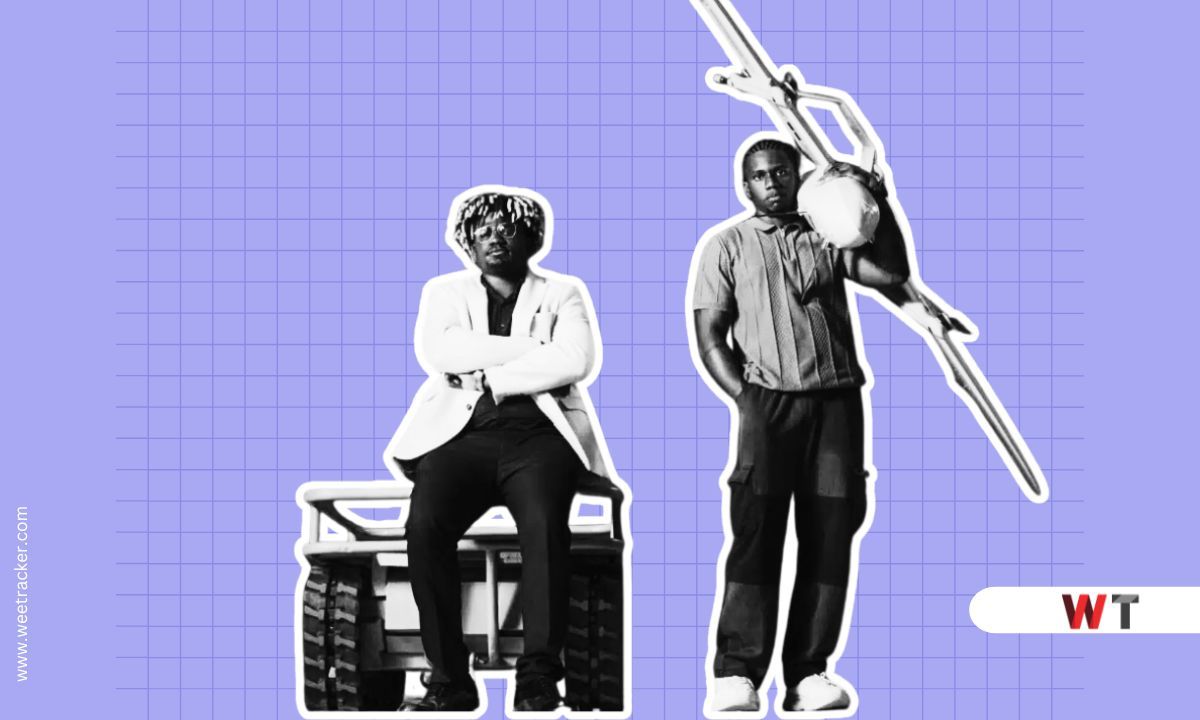
I’ve been following Nathan Nwachukwu and Maxwell Maduka since Terra Industries was just a wild idea back in 2024. Watching them scale has been a masterclass in grit. But the latest news about them opening "Pax-2," a 34,000-square-foot facility in Accra instead of expanding their Abuja base, feels like a bucket of cold water. They’ve raised $34M from heavy hitters like Joe Lonsdale, and yet, the physical assembly of their tech is heading West.
It’s not that they don't want to be here. It’s that building hardware in Nigeria often feels like trying to run a heavy Docker container on a laptop with 2GB of RAM. It just chokes.
The 10-year cheat code
Let’s talk about why Ghana won this round. It’s not just about "vibes" or the electricity being more stable—though that’s a massive win for a factory floor. It’s the "Free Zones" regime. Ghana basically gave them a 10-year corporate tax holiday. Imagine not having to worry about the taxman breathing down your neck while you’re still trying to figure out why your drone’s navigation system is bugging out in high-wind scenarios.

In Nigeria, we have the DICON Act 2023, which was supposed to turn us into a military manufacturing powerhouse. But as anyone who has ever tried to get a government permit in Gbagada or Abuja knows, the distance between "Law signed on paper" and "Permission granted in hand" is measured in light-years. Terra signed an MOU with DICON in February, but clearly, "MOU" doesn't stand for "Make Our Units."
50,000 drones and the "Sapa" of execution
Nathan is aiming to pump out 50,000 units annually by 2028. That’s a massive hardware play. When you’re dealing with that kind of volume, duty exemptions on machinery aren't just "nice to have"—they are the difference between being a unicorn and being another "Gloo" (RIP to a pioneer).
As a dev, I look at their tech stack and I’m envious. They’re doing vertical integration—building the hardware and the software from the ground up. That’s the dream. But you can’t ship code to a drone that hasn't been built because the aluminum parts are stuck at the Lagos port for three months. Ghana is offering them a streamlined path to actually ship.

Why I'm skeptical (and a little jealous)
There’s a commercial risk here that shouldn't be ignored. Nigeria is still their biggest customer. Moving the factory across the border means they now have a logistics puzzle to solve. They’re building in Accra to sell in Abuja. That’s a lot of border crossings for a company trying to scale.
But I get it. I’ve sat in workstations in Lagos where the generator noise makes it impossible to think, and I’ve talked to founders in Akure who are geniuses but can't get the specialized hardware they need because of "policy." Terra is just doing what any logical builder would do: they’re moving to the environment that has the best "Uptime."
The local talent drain
The real sting for me isn't the tax money. It’s the talent. A 34,000-square-foot factory needs engineers, technicians, and operators. Those are jobs that could have been in Abuja or Jos. Instead, those roles will be filled in Accra.
We keep talking about being the "Tech Hub of Africa," but if we can’t even make it easy for our own "Defence Prime" to build their drones at home, we’re just a hub for outsourcing. We need more than just MOUs and high-level promises. We need the "Political Will" Nathan mentioned—the kind that makes it easier to build a drone than it is to pay a bribe.
Until then, I’ll be watching Pax-2 from across the border, wishing we had just a little more of that Ghanaian "Ease of Doing Business" mixed with our Nigerian hustle. Stay building, stay hungry, but maybe keep your passport ready.
Related from Venture
Let's build your next big product.
Accepting project-based freelance, remote engineering roles, and hybrid positions.