Oil Dips, Markets Rally, and I'm Still Fixing My API Latency
The Strait of Hormuz is open again and oil prices are tanking. While Wall Street cheers, I'm just here trying to figure out if this means my cloud bill will finally stop making me sweat.

My neighbor’s I-pass-my-neighbor generator finally gave up the ghost this morning right as I was pushing a critical update to our staging environment. It’s funny how the world works. I’m sitting here in a quiet room in Gbagada, sweating through a black t-shirt, while the global markets are absolutely losing their minds because Iran decided to let the tankers through the Strait of Hormuz.
Oil prices crashed 13% in a few hours. For the suits in New York, that’s a "rally." For me, I’m just wondering if the pump price at the local filling station will actually move or if the guys in the black market are going to keep their "Sapa" premium on top of everything.
The Cloud Bill Anxiety
Whenever oil prices start doing backflips, my first thought isn't about global diplomacy. It’s about my AWS bill. We build products in a country where the exchange rate feels like a game of Jenga played on a moving danfo. When global energy shifts this fast, the Naira usually feels the vibration, and suddenly my API calls to a US-based server start costing me three times what I budgeted in January.
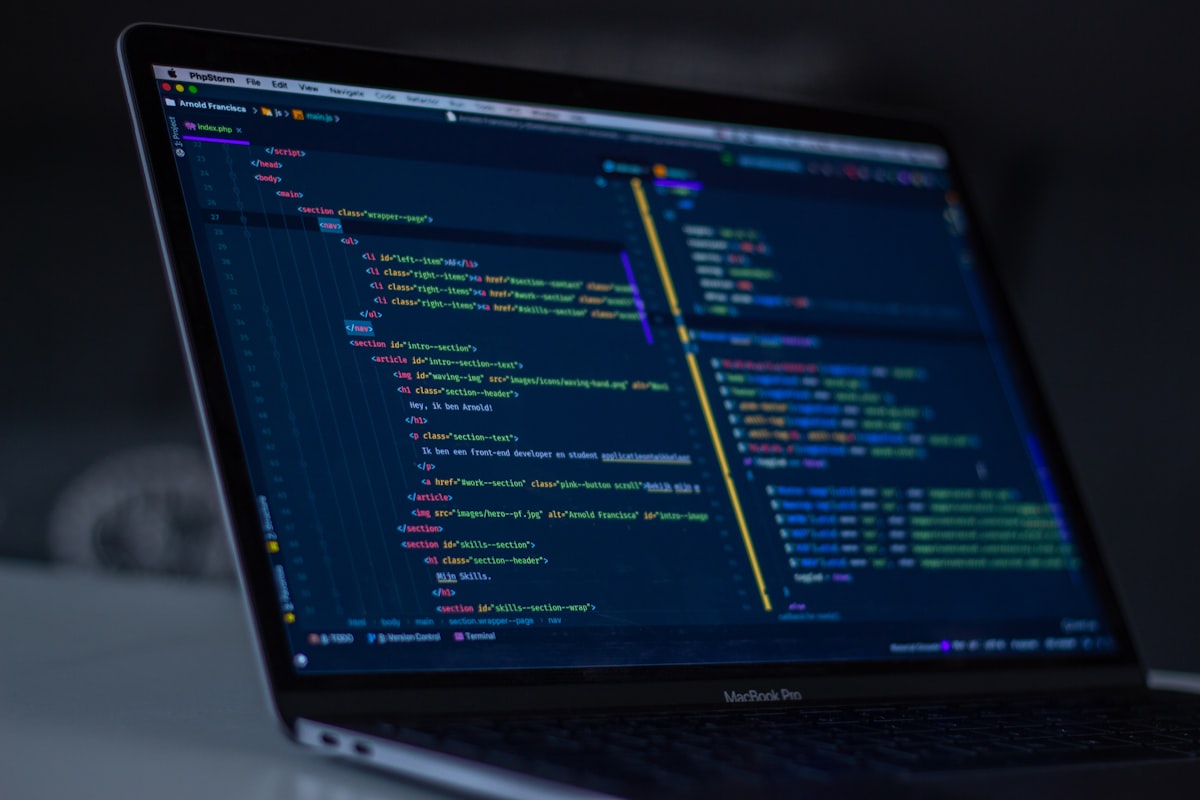
I’ve spent the better part of the last three days refactoring our database queries. Why? Because we can’t afford messy code when the cost of compute is tied to global volatility. If I can shave off 200ms of execution time, I’m literally saving enough money to buy another bag of sachet water for the office. That’s the reality of building tech here. You don’t just "scale"; you survive.
Shipping Hardware to the Hinterlands
The news also mentioned a ceasefire between Israel and Hezbollah. While the pundits talk about "regional stability," I’m thinking about my friend Tunde who is trying to ship IoT sensors down to a farm project in the outskirts of Enugu.
Logistics is the silent killer of Nigerian startups. When global shipping lanes get squeezed, the ripple effect hits a warehouse in Onitsha or a workshop in Akure weeks later. If this ceasefire actually holds and the Strait stays open, maybe—just maybe—shipping costs for the microcontrollers we need won't require us to sell a kidney.

Building a product that relies on hardware in this environment is an extreme sport. You’re constantly checking the news not because you care about "geopolitical corridors," but because you need to know if your components are stuck on a boat somewhere or if the price of plastic casing just went up by 40%.
No Gree for Global Volatility
There’s this "No gree for anybody" energy that’s been fueling the local dev scene lately. It doesn’t matter if the Dow rallies 900 points or if the oil market plunges. At the end of the day, I still have to ensure my users in Owerri can make a payment without the transaction hanging in limbo because of some legacy bank API.
The global markets can have their drama. I’m more concerned about the execution of our roadmap. We’re moving the backend to a more localized edge setup to reduce that annoying latency. It’s a grind, and it’s not as sexy as a stock market spike, but it’s what keeps the lights on—literally and figuratively.
We keep building, we keep debugging, and we definitely don't let a fluctuating oil price stop the sprint. Now, if I can just find someone to fix my neighbor's generator before I lose my mind, that would be the real win for today.
Related from Venture
Let's build your next big product.
Accepting project-based freelance, remote engineering roles, and hybrid positions.